The Andress Inn was the first hostelry or hotel in Livingston, TX. It was constructed in 1847. It was the 3rd hotel erected in Polk County following those built at Drew’s Landing and Swartwout. It was an inn, restaurant, saloon, general store, livery stable, bank, post office, stagecoach station, justice of the peace office, meeting place and recreation hall. It even had a bowling alley.
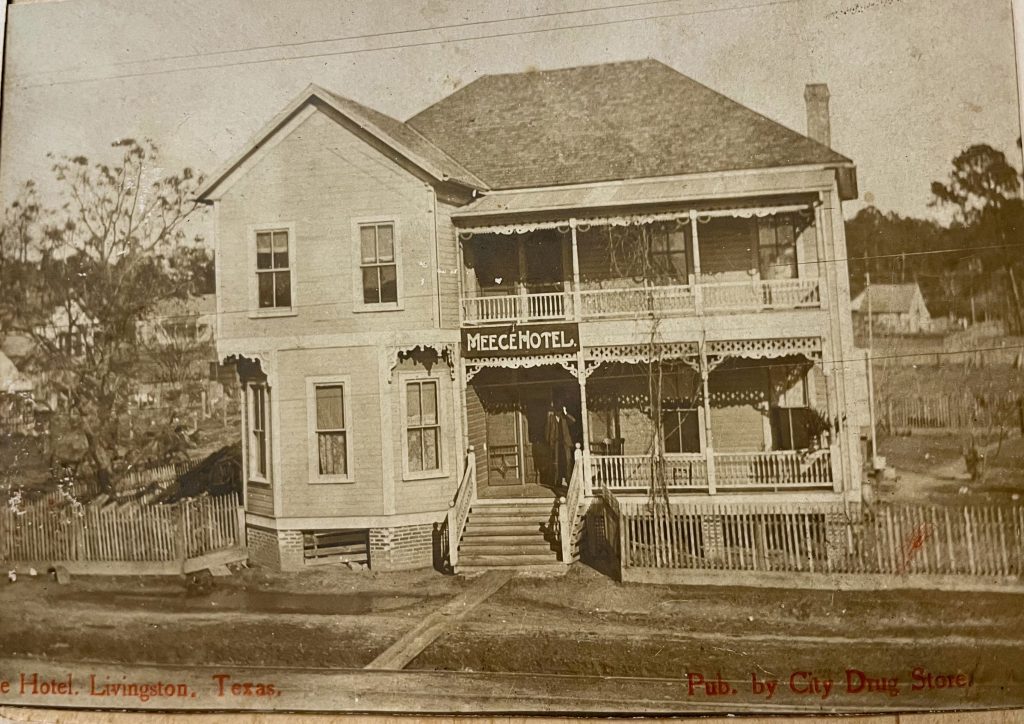
The Dunnam Hotel was built sometime around 1880, shortly after the Houston East & West Texas Railway (HE&WT) arrived in Livingston, TX. Construction of the railroad began in 1876. It is believed that a gentleman by the name of Montalvan Adolphus Dunnam built the hotel. Letitia A. Dunnam, his wife, purchased Lot 9 on the N/E Corner of Block 10 from W.J. Brown and his wife R.M. Brown for $100.00. M.A. Dunnam was not named in the deed. T.F. Meece was the Polk County Clerk at that time and he administered the deed transaction.
Montalvan Adolphus Dunnam served as Polk County Sheriff from 1866 to1867 and from 1878 to 1880. M.A. Dunnam also served in Hood’s Brigade Co. B 1st Texas in the Civil War. He was the son of LT Samuel Blackwell Bell Dunnam who was the first pastor of the Methodist Church in Livingston. He was buried in the Old City Cemetery. Samuel’s daughter, Frances Eugenia Dunnam Hill, was married to Judge James E. Hill.
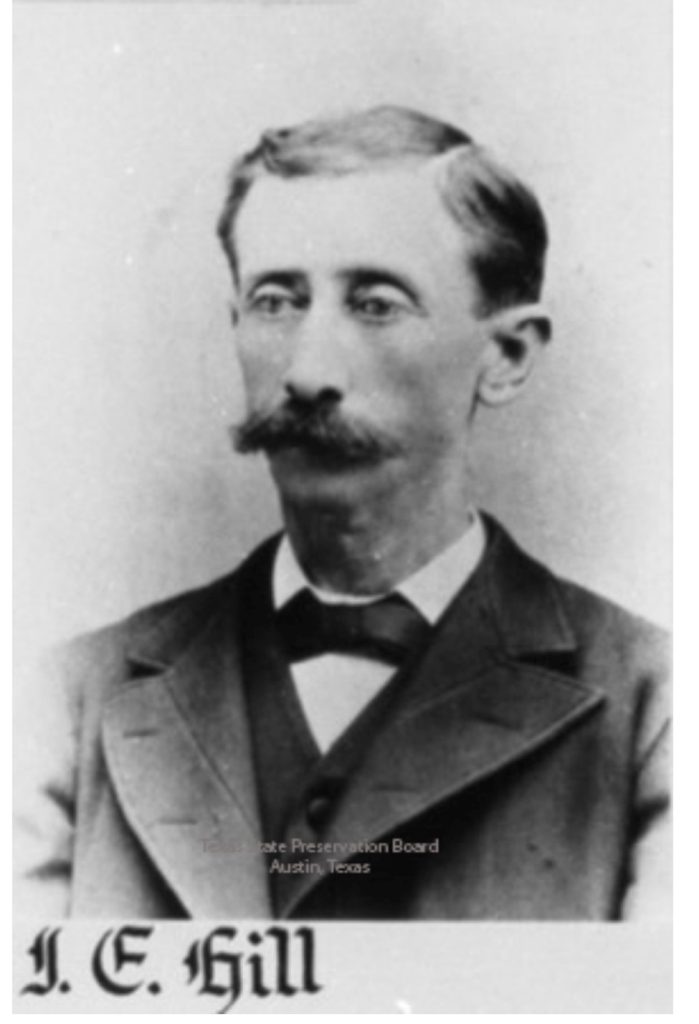
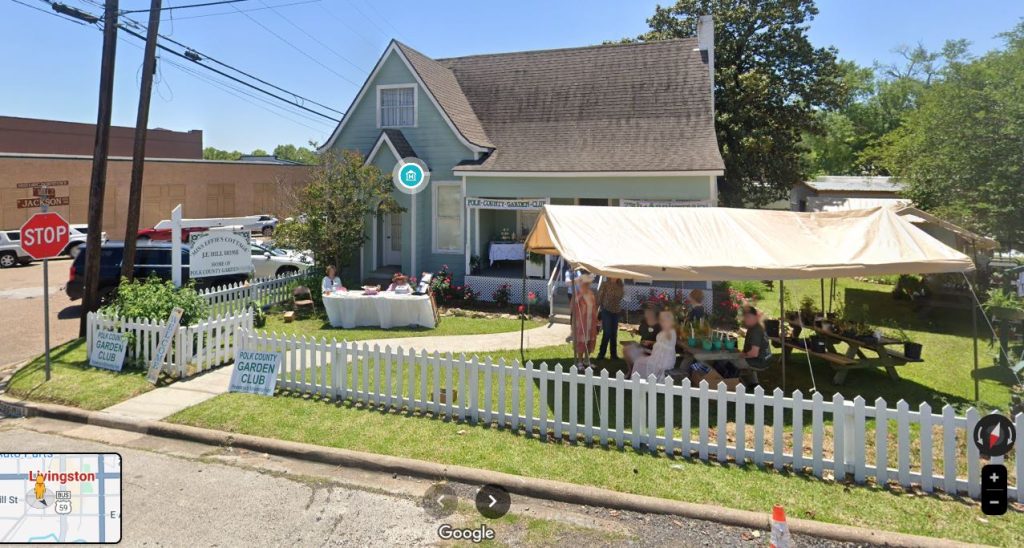
Judge Hill’s residence is still intact and it sits at the corner of Mill and Jackson in Livingston. It is now home to the Polk County Garden Club.
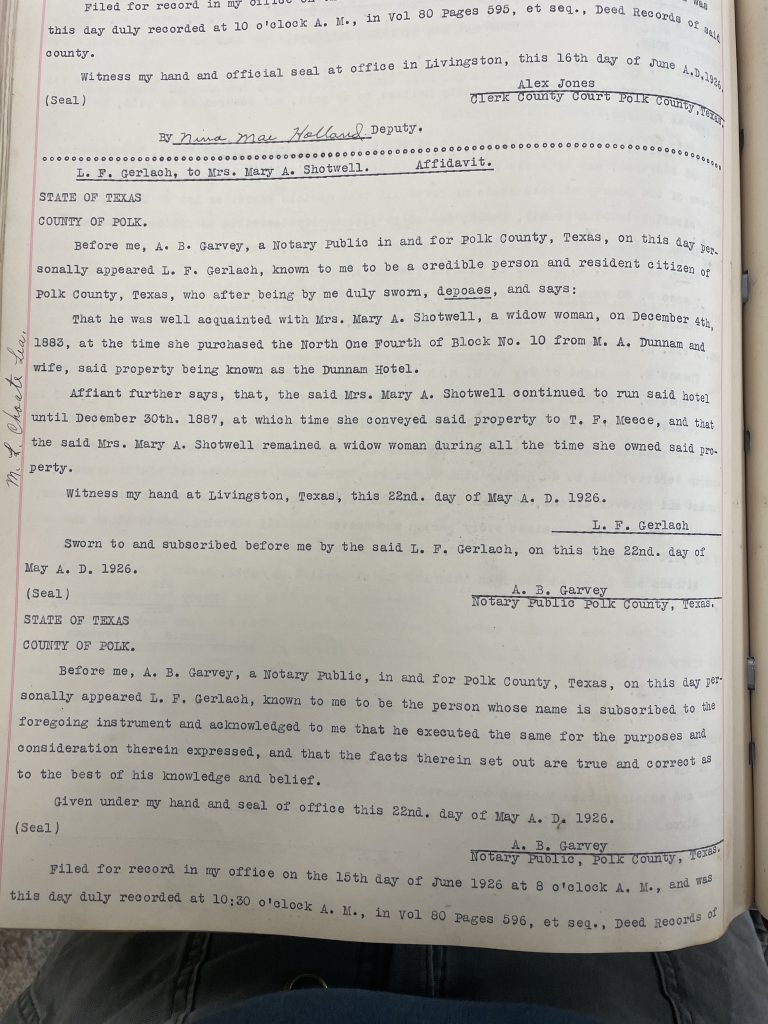
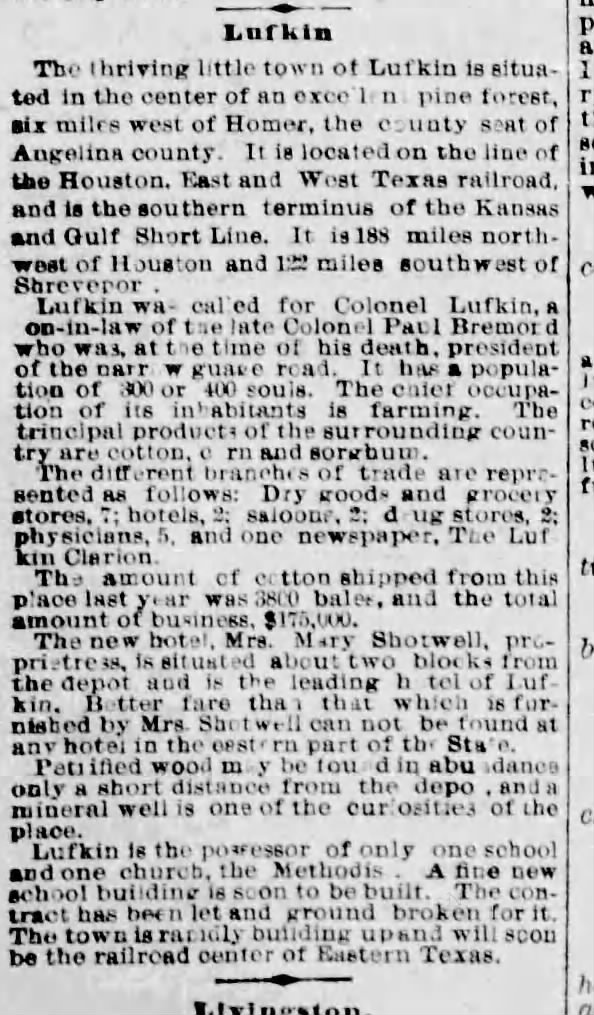
On December 4th, 1883 Mary Shotwell, formerly Mary Ann Brown, purchased the Hotel from Dunnam for $800.00. Her husband, George Scott Shotwell, had passed away on September 25th, 1879. At the time of purchase, she was the mother of (4) young children. Mary Ann was, curiously enough, the sister of Amelia Antoinette Brown Meece, the wife of T.F. Meece.
She was granted, free of rent, the use of the remaining block except for the stone house of Randolph and Company. Mary was required to take reasonable care of the fruit trees, grapevines and fencing.
On December 30th, 1887 Mary sold the hotel and property for $650.00 to T.F. Meece, who renamed it the Meece Hotel. Family discount? It was first associated with T.F. Meece in 1888 when a Polk County Newspaper described him as a merchant, land agent and owner of the hotel. T.F.’s first mention of the hotel was in an article in the East Texas Pinery dated 09/15/1892. It was an advertisement under T.F. Meece’s Column. The East Texas Pinery was a weekly newspaper first appearing in 1882 and operating until 1898.
In the 1900 United States Federal Census from Lufkin, TX in Angelina County, following the sale of the Meece Hotel, Mary Ann described her occupation as Hotel-Keeper. Her son Mark was listed as a Hotel-Keeper as well. Her daughter Annie was listed as Chamber-Maid. She had (2) boarders, one a brick mason and the other a Day-Laborer. It sounds more like a boarding house than a hotel.
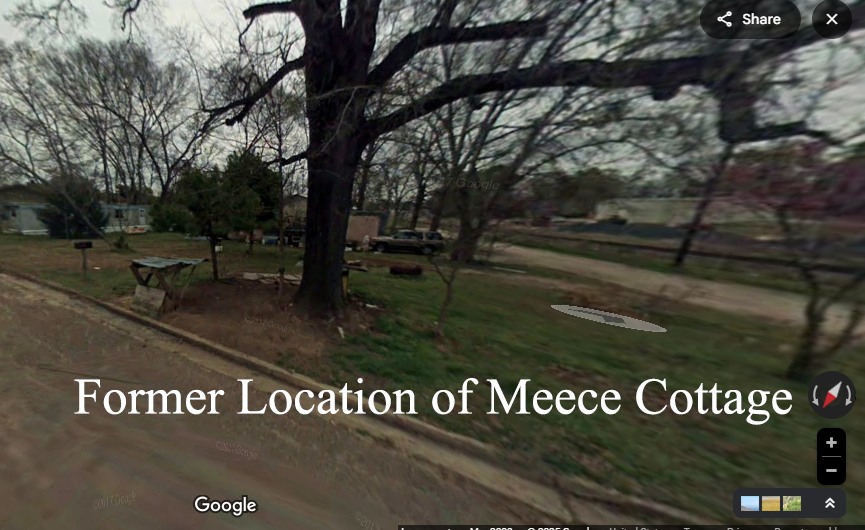
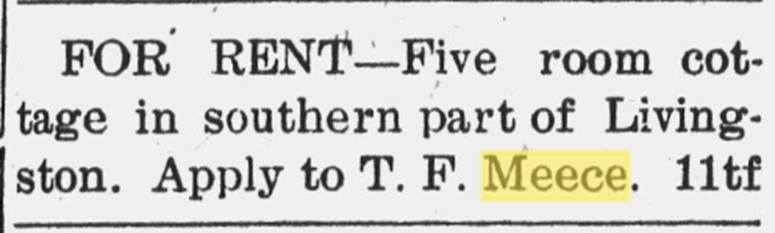
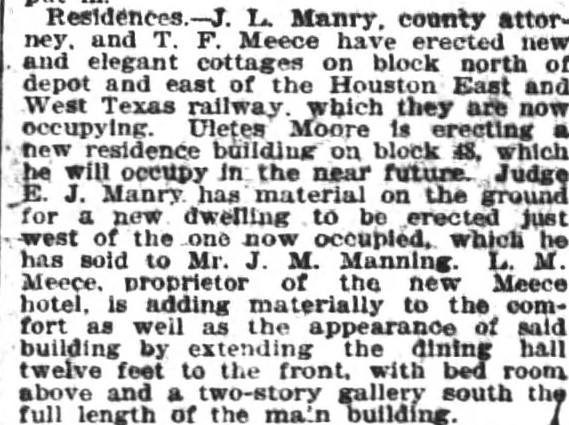
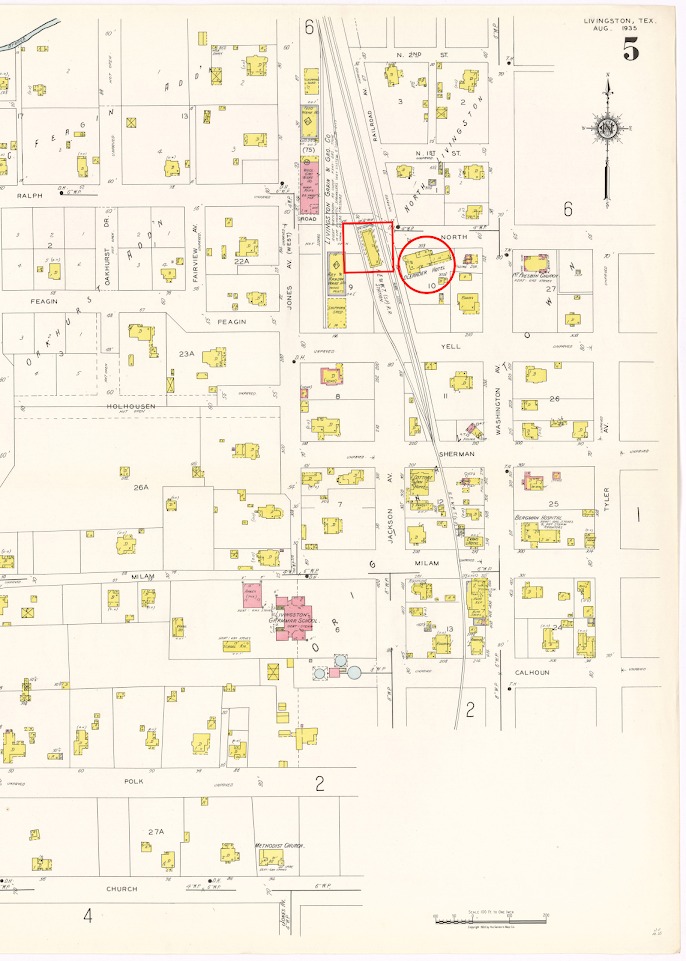
T.F. had a five room cottage nearby on Railroad Avenue, in the direction of Livingston. Railroad Avenue was adjacent and parallel to the railroad tracks. It can be seen on the 1935 Sanborn Insurance map. To my knowledge, the road no longer exists. According to the attached article, T.F. and his partner Joseph Lee Manry constructed “new and elegant cottages” on Block #1.
The article also announced plans by Luther Marshall Meece, T.F.’s son, to extend the dining hall twelve feet to the front of the hotel, with a bedroom above and a two-story gallery south, the entire length of the building. Very ambitious plans. All of this was announced in the attached article published in 1903.
He described the hotel as a place where travelers and passengers could get a hot meal at any hour, the best the country affords at reasonable prices. Guests would assemble in the “spacious dining room.” An example of the dinner menu, “which was printed on dainty decorated cards” consisted of:
• Scalloped oysters, baked fish with hollandaise sauce or baked turkey with cranberry sauce.
• Boiled sweet potatoes, steamed potatoes or stewed tomatoes.
• Olives, salad, celery, baked apples or cake.
• Fruits and nuts.
• Chocolate, coffee, tea and milk.
After dinner, the guests “retired to one of the comfortable parlors in the hotel.” The hotel would routinely advertise in the local paper asking for:
• Chickens Wanted – Will pay 30 cents apiece for good fryers.
• Bring your chickens, eggs and butter to the Meece Hotel.

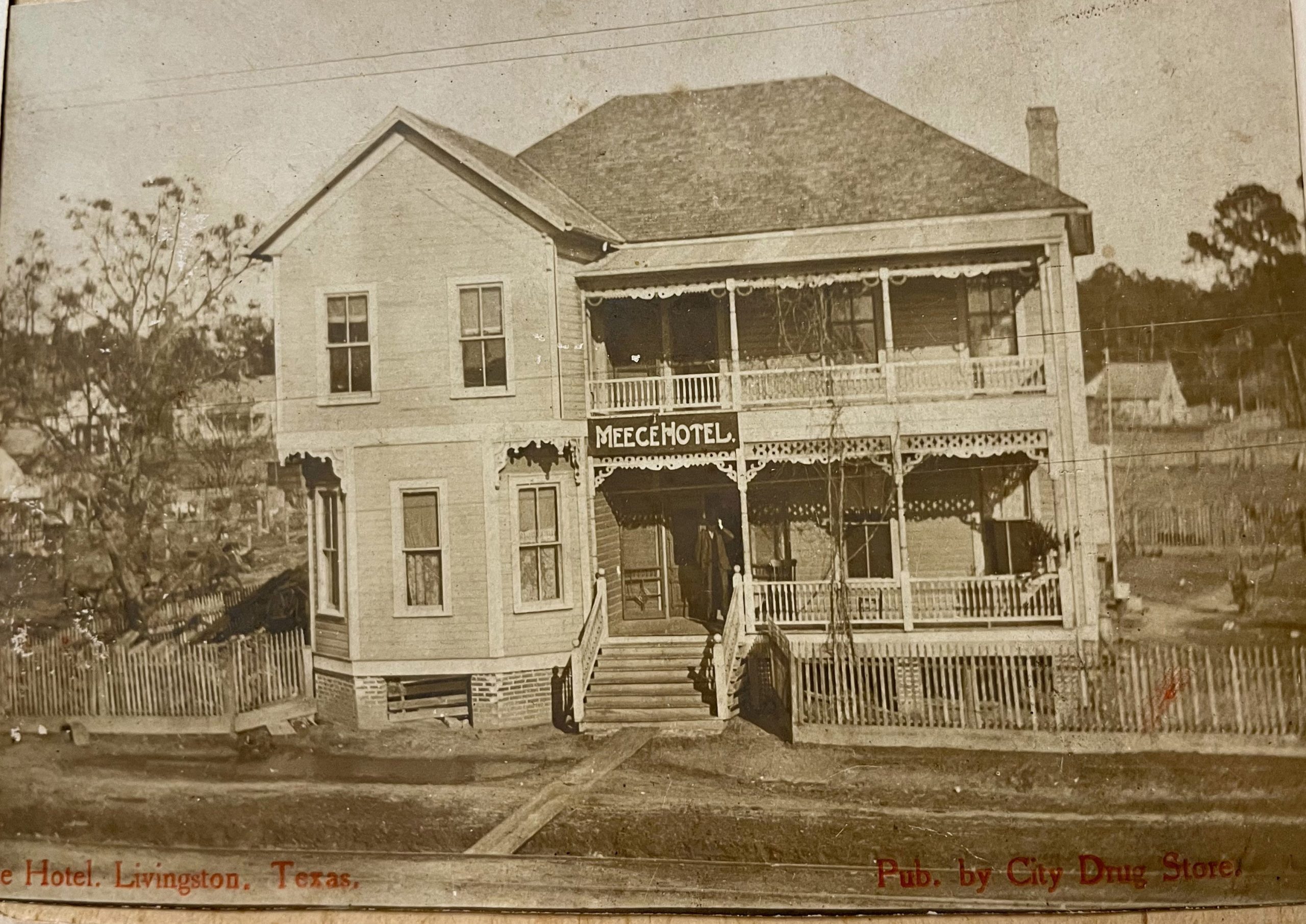
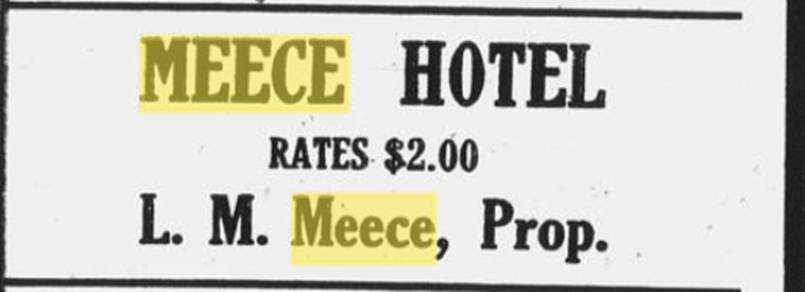
Regular guests of the hotel were charged $2.00 per night which is equivalent to $69.34 today. Quite a bargain! Aside from its regular guests the hotel would operate as a venue for events such as meetings, weddings, correspondent dinners for the Polk County Enterprise, Woodmen of the World meetings (fraternal organization), etc. The lower panel of the screen doors of the Meece Hotel appear to contain replicas of the State of Texas. The individual on the front porch in the photo is unidentified.
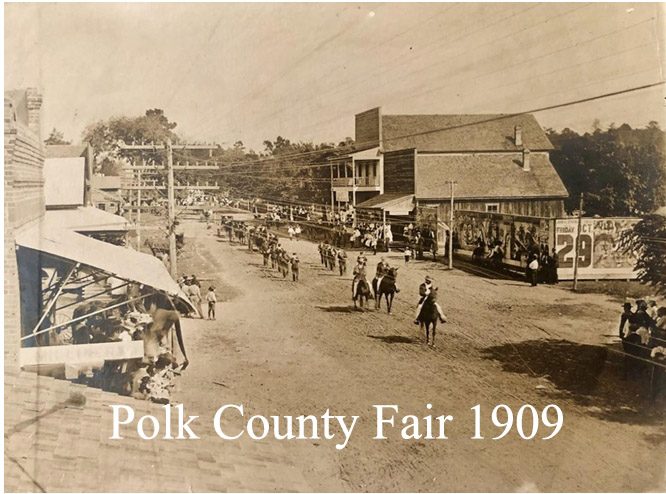
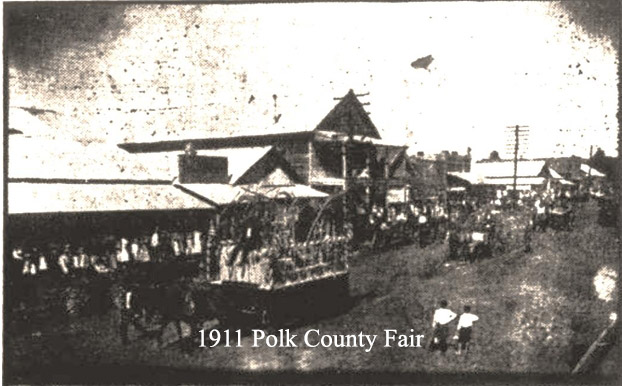
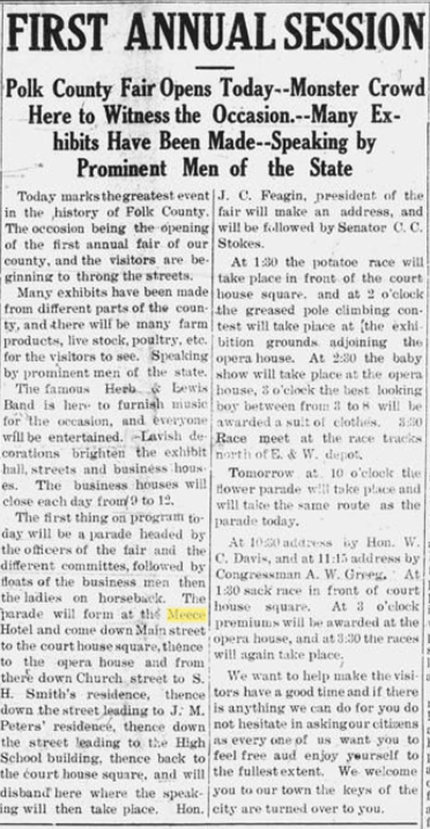
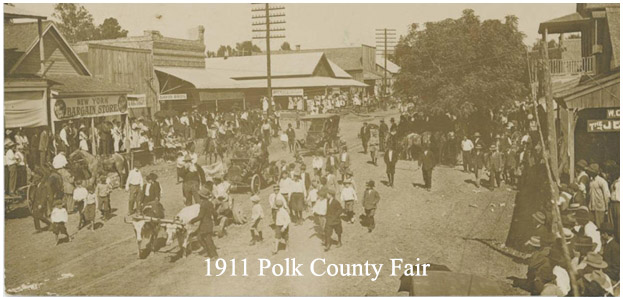
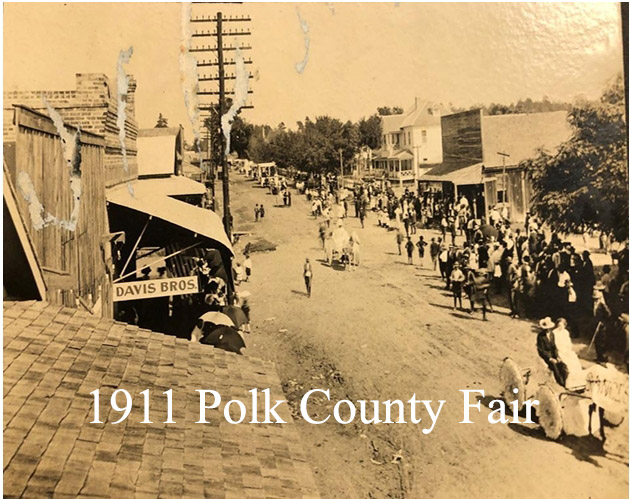
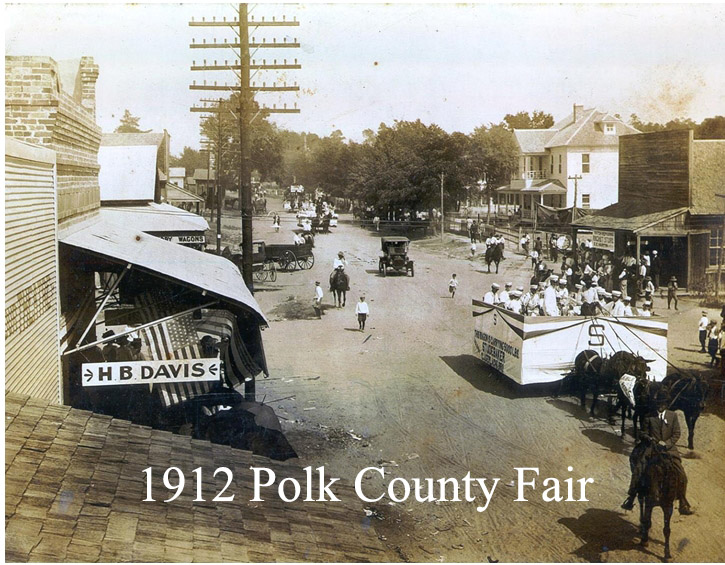
The 1st annual Polk County Fair was held on 10/21/1909. The Meece Hotel was the staging point for the start of the parade. The parade disbanded at the courthouse. I’ve attached photos of the parades from 1909 through 1912.
A Doctor Hart used to operate out of the Meece Hotel periodically. He advertised that he could “treat all diseases of the eyes, ears, nose and throat and fit glasses. He has cured hundreds of your neighbors who were blind and led to him. Many were led for years that he gave vision.” Where was this guy when I turned 40? This is my favorite line. “Call at office and investigate and if you can be cured he will guarantee a cure. If you cannot be cured he will frankly tell you so and you will be out no money.”
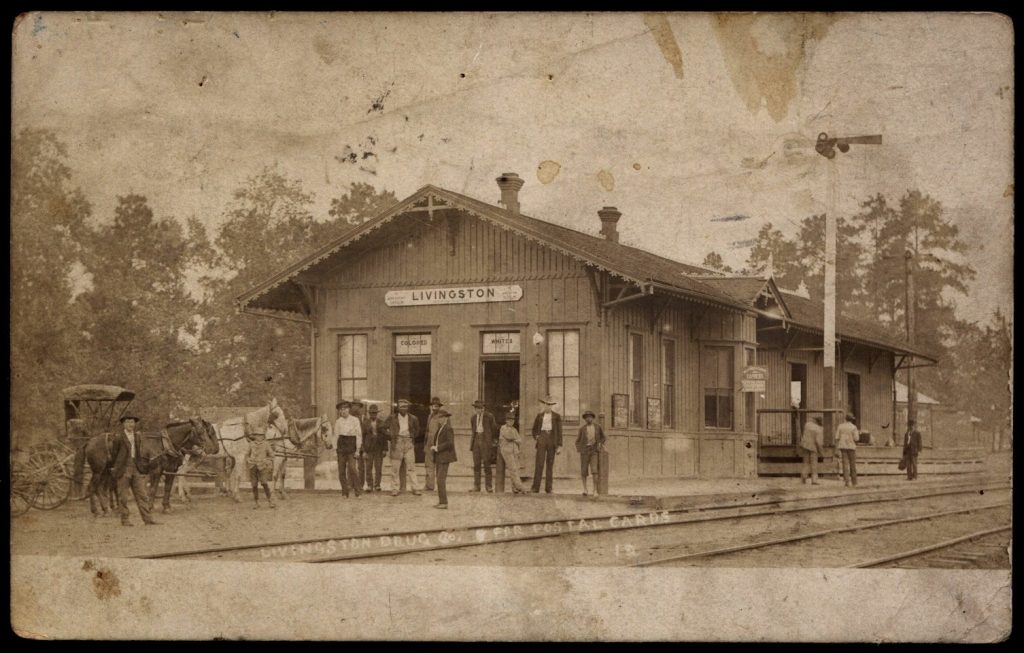
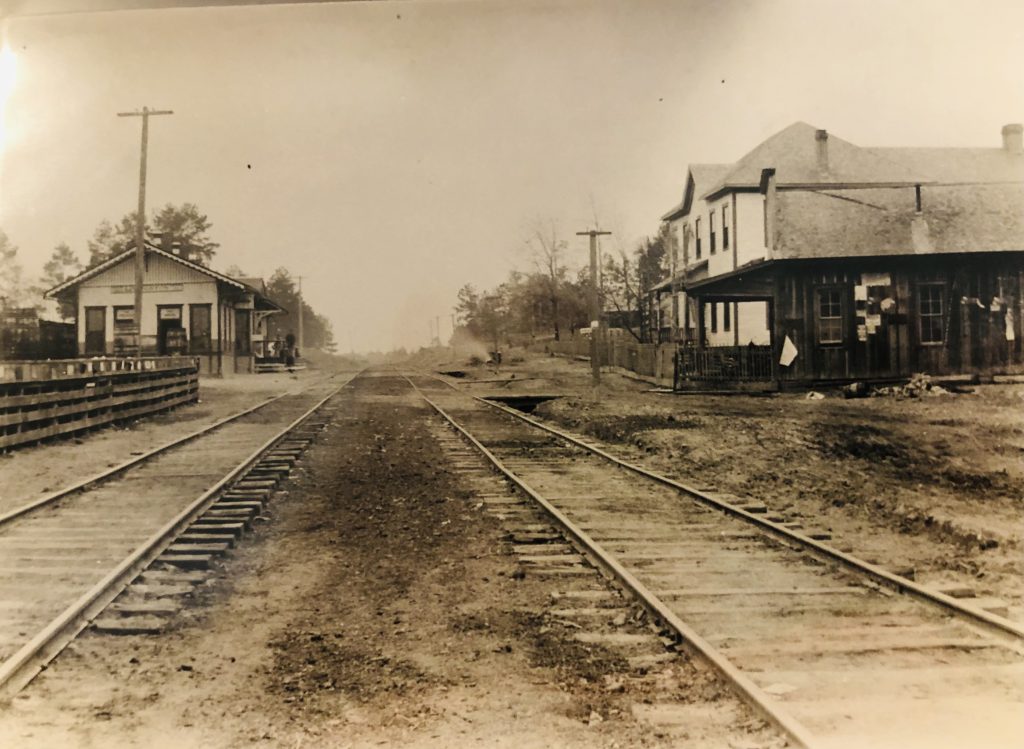
The hotel was ideally located directly across the railroad tracks from the Houston East & West Railway Company (HE&WT) Railroad Depot. I want to thank the Texas Transit Authority for providing me with the photograph of the railroad depot dated 1907. Segregated waiting rooms can be clearly seen under the Livingston sign. You will also note the horse drawn carriages lined up waiting for guests from the next train.
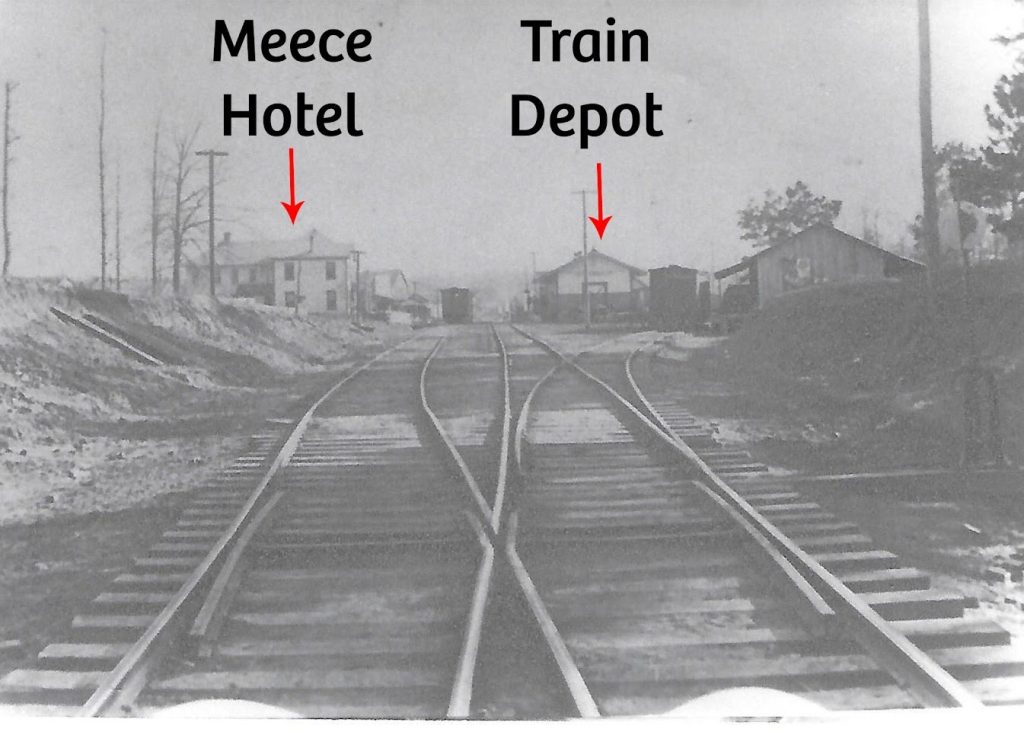
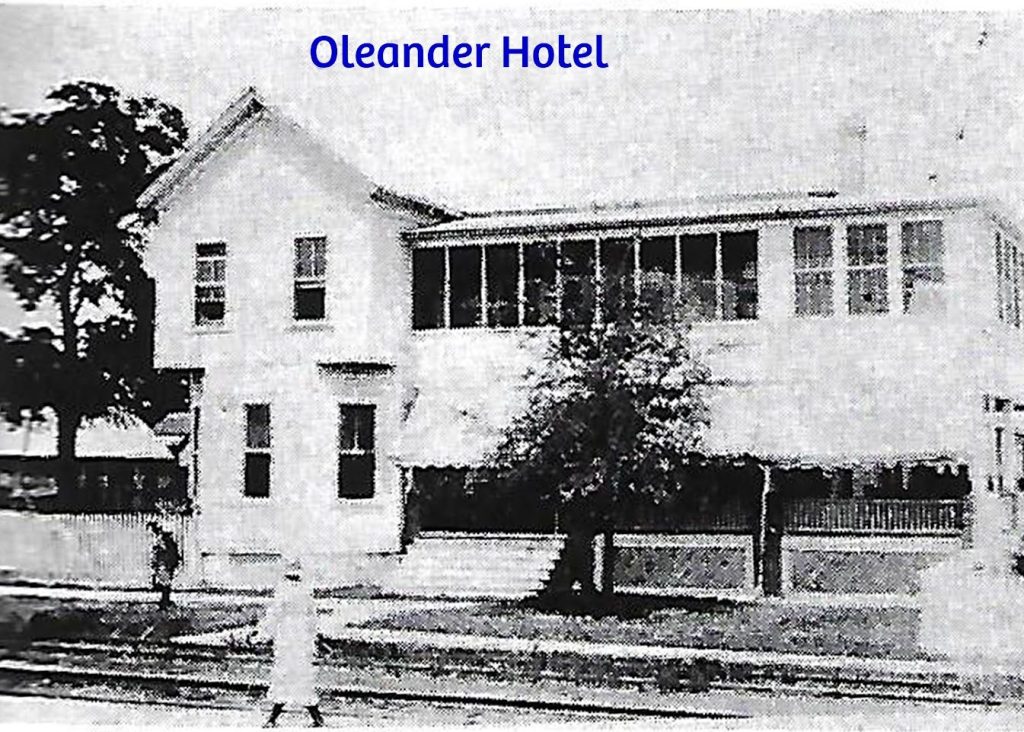
The Andress Inn would actually operate a horse drawn shuttle to and from its hotel. This is the exact POV from the Meece Hotel. Guest of the Meece Hotel would simply have to maneuver two sets of rails to reach the hotel. The photo depicting the Meece Hotel and the Train Depot is misleading in that the hotel was the Oleander at the time of the photo.
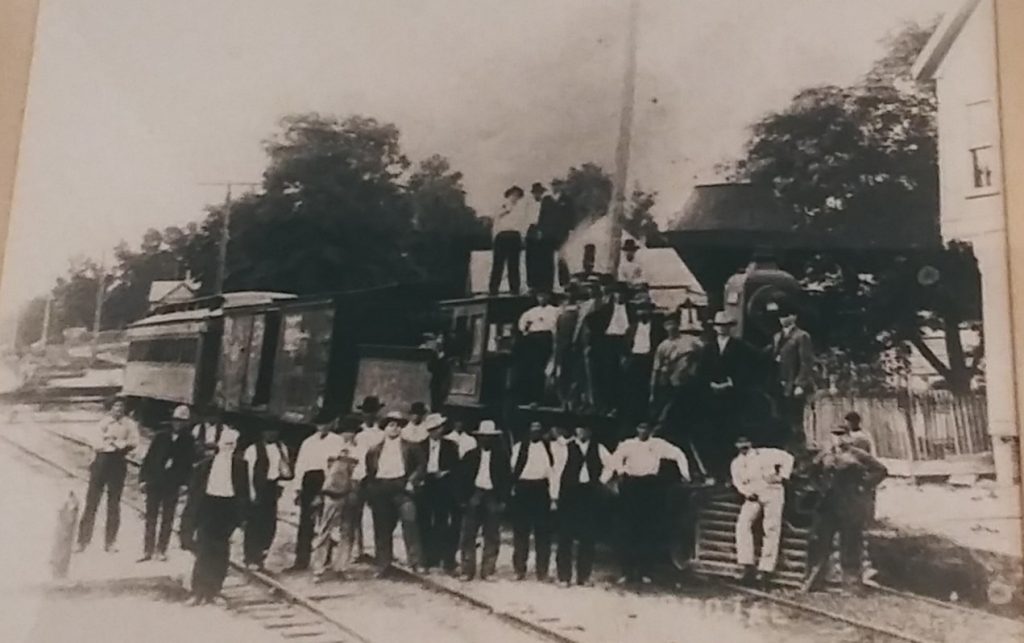
The photo below, depicting the train, it’s crew and townspeople, was taken in 1908 in front of the Meece Hotel. You can see the corner of the hotel to the right of the train. The train was called the “Bailey Special” named after Pete Bailey, holding the mail sack, who for years was conductor of the train. The newspaper article incorrectly identified the hotel as the Oleander Hotel.
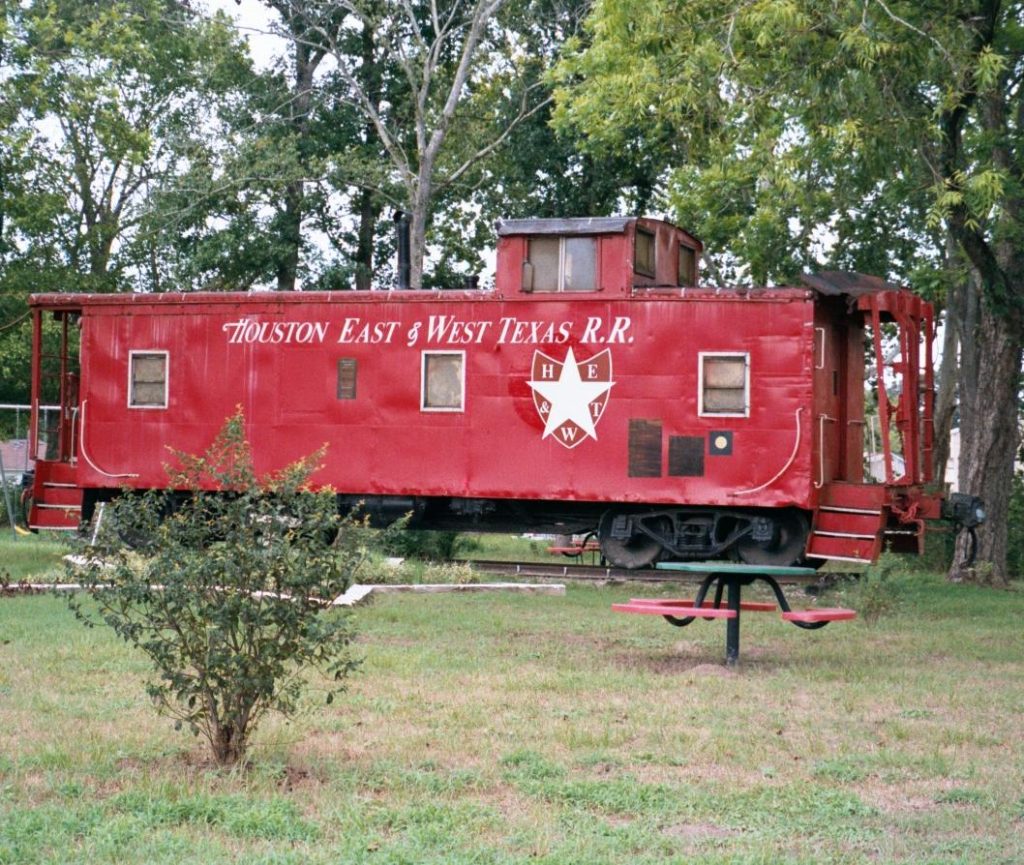
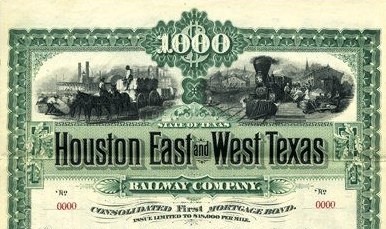
The Houston East and West Texas Railway Company was chartered on March 11, 1875, to build a narrow gauge railroad between Houston and Texarkana and to connect Houston with Corpus Christi and Laredo through Victoria and Goliad. The company’s initials were said to stand for “Hell Either Way Taken.”
The railroad was nicknamed the “Rabbit,” and the line is still known by that name. The name refers to the sometimes rough ride offered by the line’s best known locomotive, “The Rabbit,” so named because of the many times it “jumped” from the track.
In 1885, passenger train cars in Texas likely featured simple, functional designs, with wooden benches and limited comfort. Seating was often arranged in rows, with passengers seated side-by-side in a close-quarters arrangement. The focus was on transportation rather than comfort. Safety was a concern due to the early stages of railroad technology.
Riding the Houston, East & West Texas Railroad, like many railroads of the time, would have been a mixed experience. While offering a smoother and faster alternative to horse-drawn carriages & stagecoaches, comfort levels likely varied. The quality of train travel could be affected by track conditions. If tracks were poorly maintained, the train might experience significant shaking or even derailment. Trains could be subject to hopping, rocking or shimming depending on their length and load.
T.F. was a strong proponent of the railroad and a frequent passenger. He routinely travelled to Corrigan, Lufkin, Moscow, Houston, Galveston, etc. The combination of the HE&WT and the East Texas timber industry was a match made in heaven. The timber industry provided the crossties for the track and the railroad provided transportation of the lumber to markets everywhere.
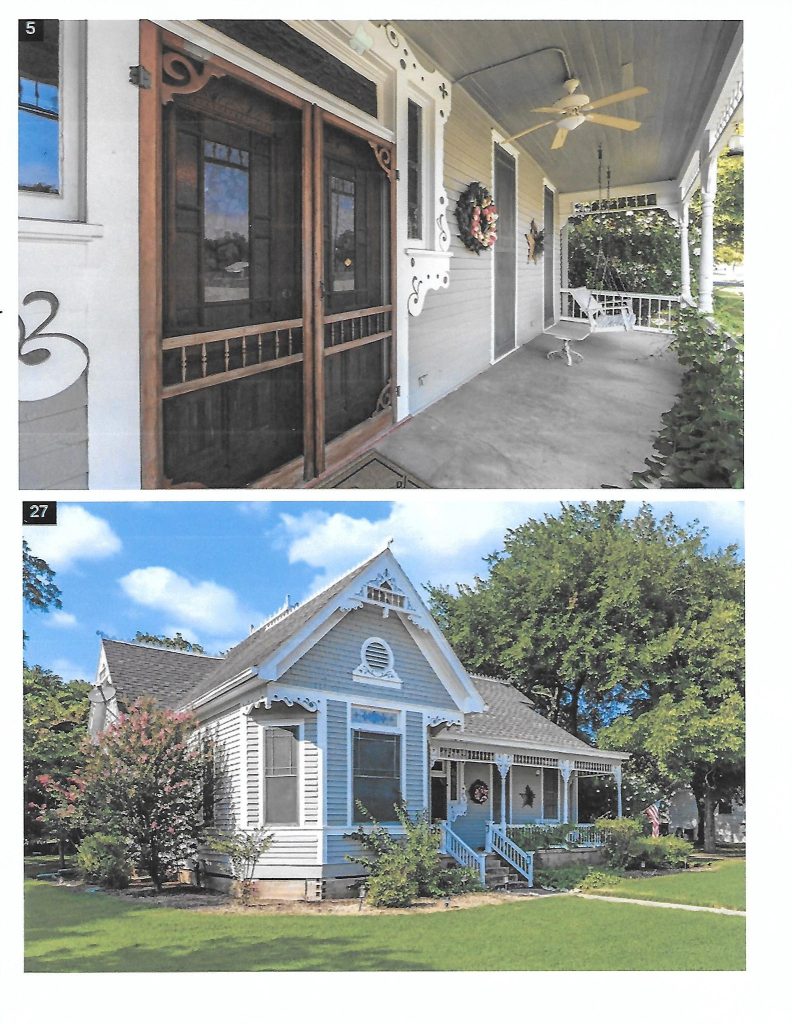
According to the Texas Historical Commission the architecture style of buildings at that time were a mix of Gingerbread, Folk Victorian and Queen Anne. There are no photographs of the interior so I can only guess as to what sort of selections were made. A Queen Anne style building interior in 1890 Texas would likely feature an asymmetrical floor plan with rooms flowing into one another, a prominent central staircase, ornate woodwork detailing on doors, windows, and mantels, high ceilings, decorative wainscoting, and a mix of rich, bold colors throughout. To say that lumber was readily available in Livingston would be a gross understatement. The period from 1880 to the Great Depression was called the “bonanza period” in Texas lumbering. Electricity wasn’t introduced in Livingston until 1905 and it only provided light to 15 homes. The hotel relied on the hearth, candles and oil lamps for light.
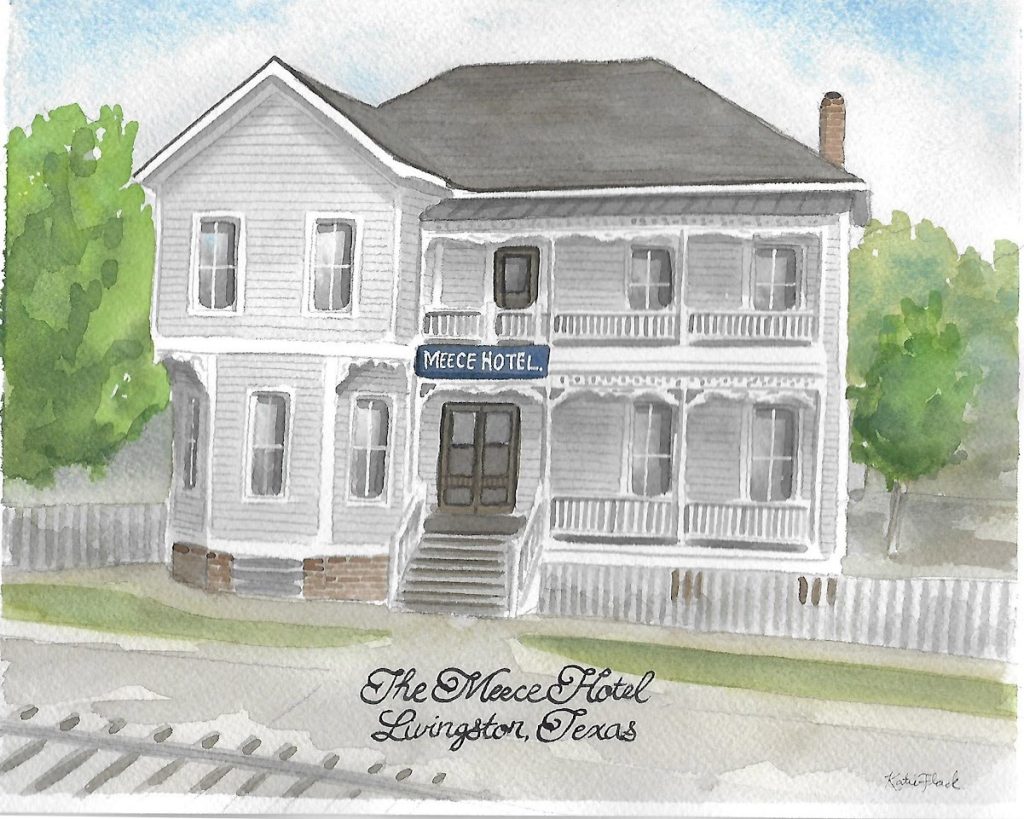
My better half commissioned artists, as a Christmas gift, to reproduce their rendition of the Meece Hotel based upon a Queen Anne style structure built in 1897. This particular house, pictured in the last two photographs, is located in Schulenburg, TX, which is near Livingston.
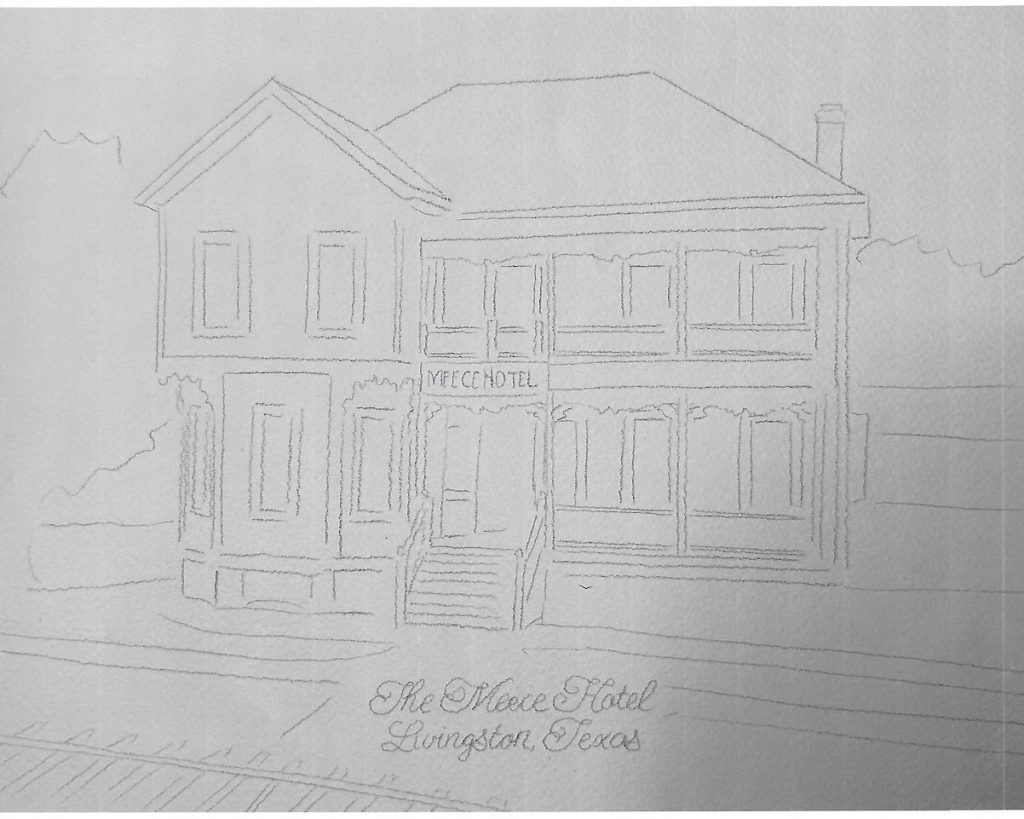
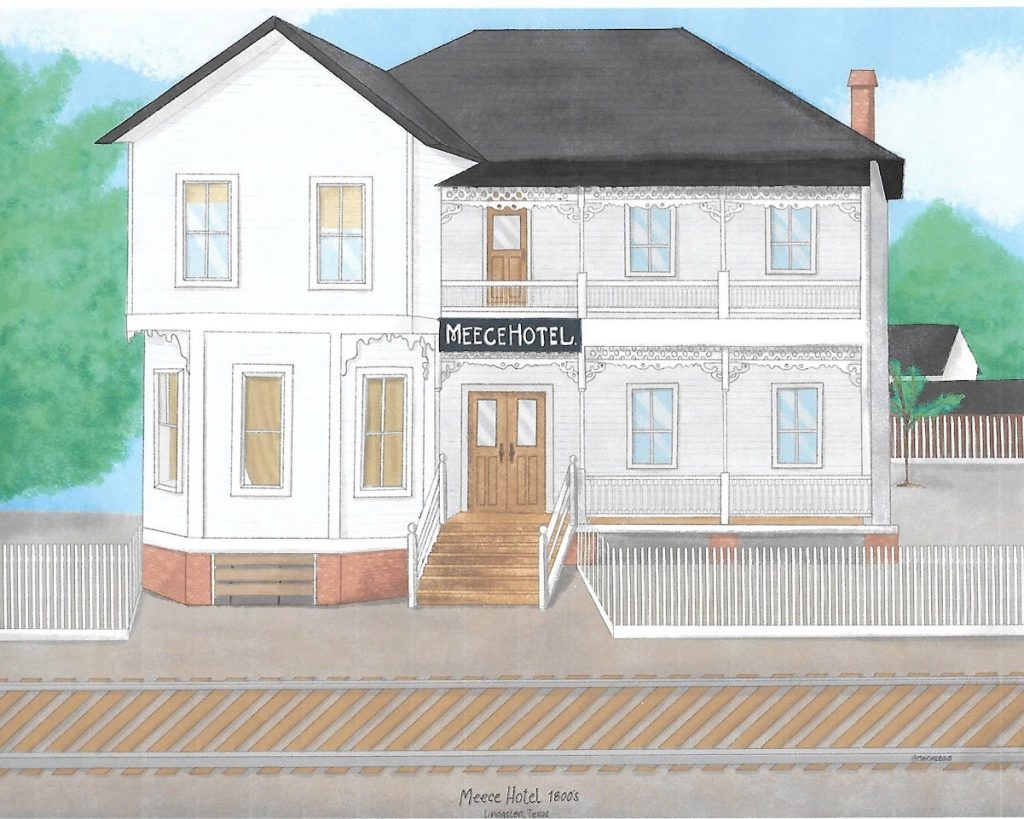
I’ll assume that the Hotel did not have a saloon or bar. In March of 1909 T.F. headed up a citizen committee to prevent the opening of a “Hiawatha” joint, a drink considered to be intoxicating. Polk County, TX was a prohibition district at the time. They sent a notice of this action to the agent for the Houston East & West Railway Company. Apparently this so called “beer” was being stored at the train depot across from the Meece Hotel.
I don’t believe that T.F. was simply a teetotaler. He was one of the original members and church clerk of the Central Baptist Church. He was also a founder and charter member of the Livingston Baptist Church, which broke away from the Central Baptist Church over a disagreement regarding missionaries. The Southern Baptists “believed you would be hard pressed to identify any other single factor that caused so much widespread suffering, injury and damage as the widespread abuse of alcohol.”
A local historian from Livingston, by the name of Gary B. Davis, wrote an excellent narrative entitled “The Saloons” on 12/7/2023. According to the segment entitled “The Capitol Saloon and The Lone Star Saloon” Gary writes: “Harding, at the same time, also operated the Lone Star Saloon (photo above) opposite the H.E.&W.T. Ry. and fifty-three feet north from the southwest corner of block 10. Harding purchased this lot in a deed dated January 5, 1892, from Max London of Corsicana, who recovered the property when the D.S. Chandler Company, as stated above, lost the property due to bankruptcy. The purchase price was $333.35 down with one payment of $166.65 due in twelve months.”
“Harding advertised in the East Texas Pinery of September 15, 1892, a “new saloon, a dealer in Wines, Liquors, etc., located at the railroad depot near the Alliance Store (SW corner blk 10) where the country and travelling public will find the best beer, wines and whiskies with polite attention and fair dealing.” Another ad that stated, “The Lone Star Saloon is just opposite the depot, where the tired passengers may get a cold glass of beer, a drink of the best whisky in town, or a splendid cigar.”
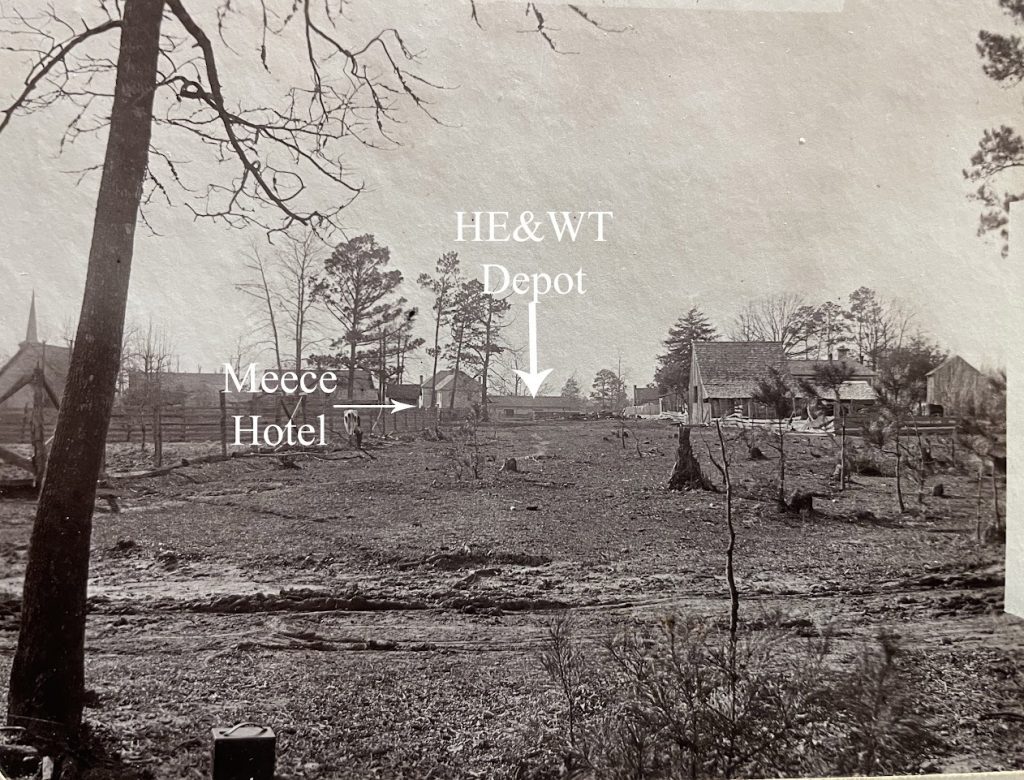
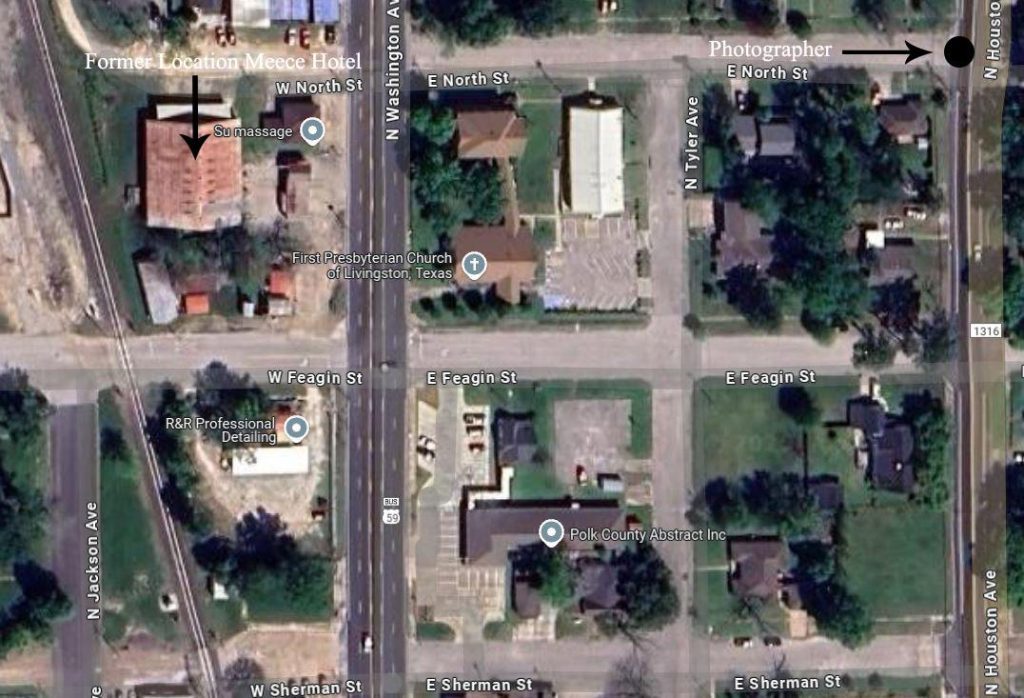
T.F. must have been beside himself. This is a polite way of saying he was probably in a state of intense emotional disturbance and anguish over the location and construction of the saloon next to his hotel. According to Gary’s description of the photo above, “Lone Star Saloon on the right in front of the Meece Hotel. The HE&WT depot is on the left.” The photo was taken from Yell Street which later became Feagin Street, the only street from the original townsite from 1847 to have a different name.
In an unrelated incident, my grandaunt was involved in an incident, which occurred on October 6th, 1890, involving the The W.E. Fitze Bon Ton Saloon. According to Gary, “Sheriff J.W. Hammond, who served from 1888 to 1890, testified that he was at the Meece Hotel (NW corner blk 10) at 7:30 p.m. when he was informed of the disturbance by Miss Mattie Meece, daughter of the owner T.F. Meece. Hammond at once went down into town where he met J.P. Snow, who told him of the trouble at Fitze’s Saloon.”
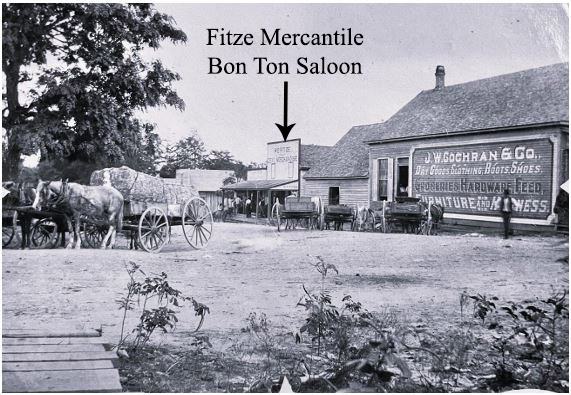
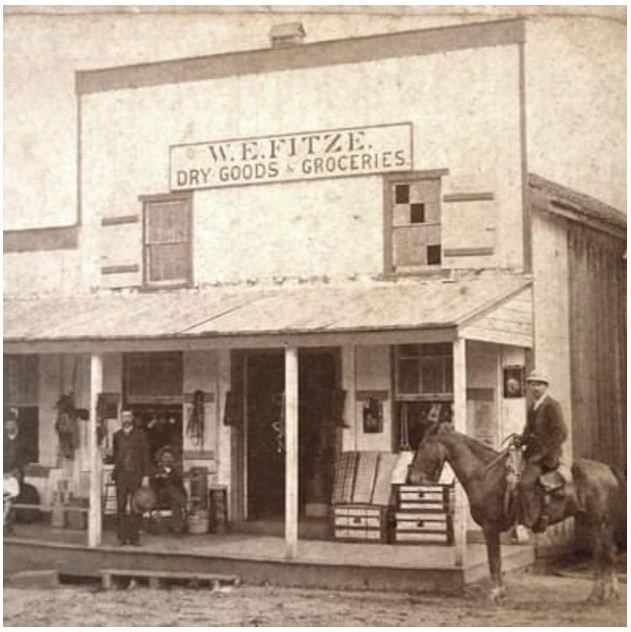
Gary writes “The political wrangle, in which three men were senselessly killed, was widely covered by newspapers around the country, including The Los Angeles Herald, The Salem Oregon Statesman Journal, The Houston Post, The Brenham Weekly Banner, The Galveston Daily News and the Dallas Morning News.”
There is only one thing I’m unsure of. How did my grandaunt, Ms. Mattie Minerva Meece, (she was 15 at the time) know about an event that happened approximately six city blocks away? There were no phones at the time. Was she notified by one of the hotel guests?
A good portion of downtown Livingston was set ablaze and burnt to the ground by intoxicated saw mill workers in 1902. With the exception of a few buildings, most were built of wood at that time. The arsonist(s) did so to protest the upcoming vote for prohibition. At least a dozen saloons and a couple of stores that sold whiskey by the jug were destinations for the sawmill workers on Saturday nights. Drunken brawls were frequent and the situation would denigrate to the point where side arms were randomly fired throughout the town.
There was one report that at least 8 people were wounded one raucous afternoon. Women and children were forced to stay at home. On the evening of the fire one of the more vocal citizens in favor of prohibition was shot and killed. No one was ever arrested for the arson or murder. Livingston, TX was truly the Wild Wild West. The citizens of Livingston were outraged and the referendum for prohibition passed.
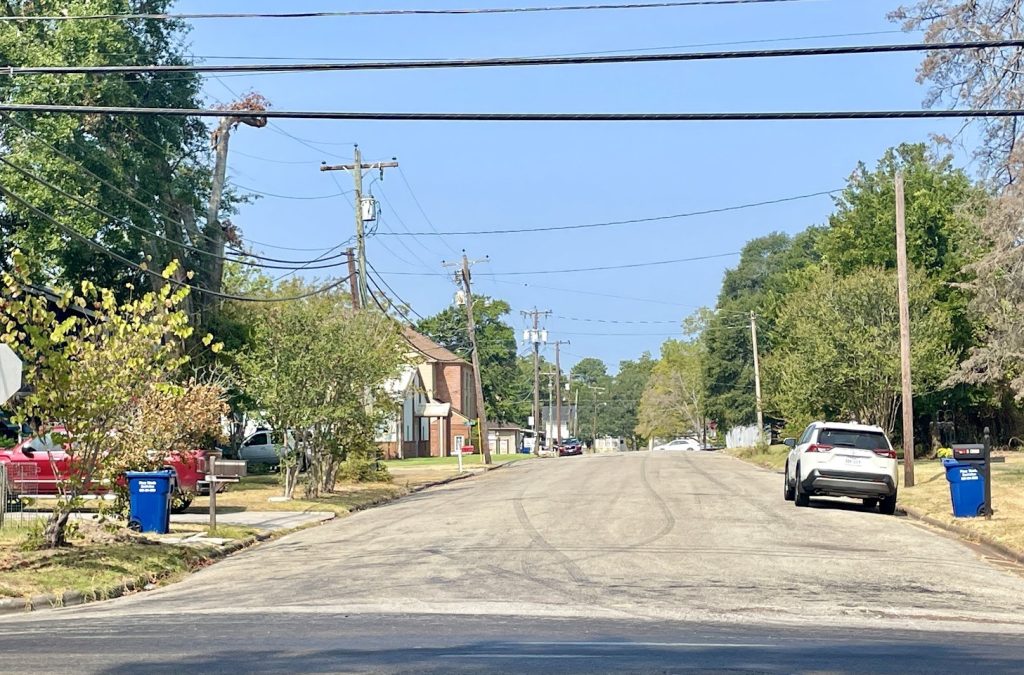
Attached is a photograph showing the Meece Hotel and the HE&WT Railway Depot from a different perspective. I now have photos of the hotel from the north, south, east and west. The second photo is from the same vantage point, Houston at North, taken in 2023. Pretty awesome! And, once again, I wish to thank Gary B. Davis. I’ve also include a map to further clarify the perspective of the photographer.
The Polk County Enterprise reported on 10/06/1910 that T.F. Meece had sold the hotel to Mr. John Ross of Houston, TX. The hotel was operated by his son-in-law F.E. Macinerney as the Pine Lodge Hotel. In 1916 Ross sold the hotel to J.H. Holley who remodeled and expanded the hotel. The Pine Lodge Hotel was renamed the Oleander Hotel.
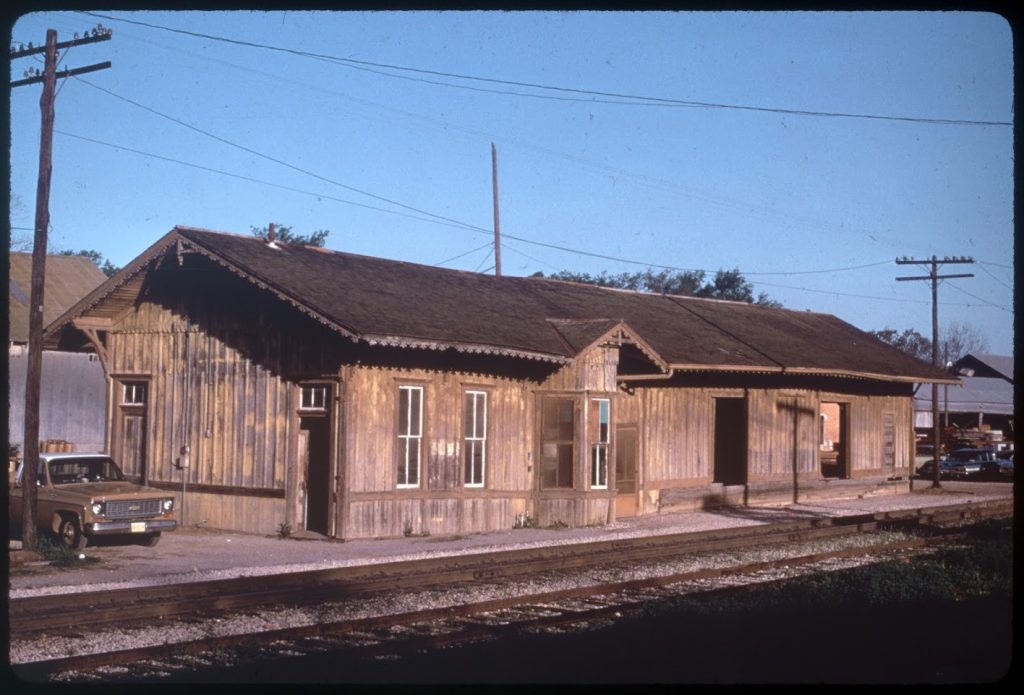
The Sanborn Insurance Maps show the location of The Oleander Hotel (formerly the Meece Hotel) and the H.E. & W.T. Railroad Depot in 1935. At that time the depot might have been owned by the Southern Pacific Railroad. The 2nd photo of the station is circa. 1970’s. The depot was eventually demolished. Ultimately the passenger trains would be supplanted by the automobile and the hotel business would dry up. Towards the end, the Oleander was advertising long term rentals.
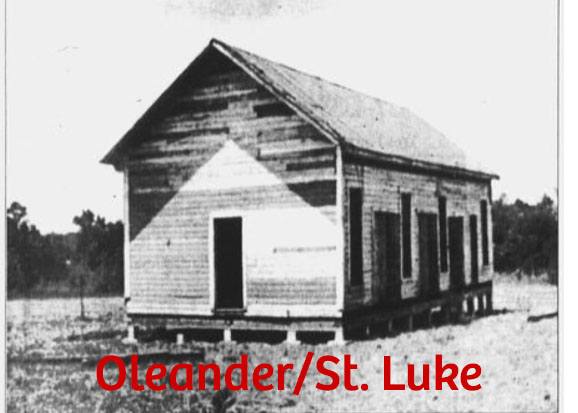
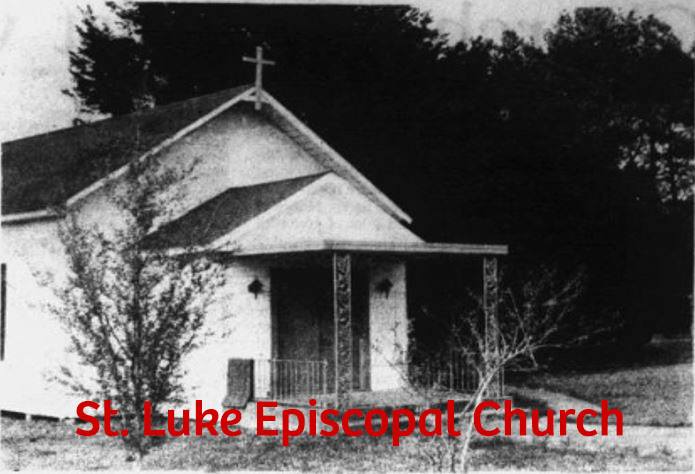
In 1953 a gentleman by the name of A.A. Wells donated one half of the Oleander Hotel to St. Luke’s Episcopal Church. The building was moved to 836 W. Jones Street where it was renovated and converted in to a church (see photo). Services began on June 25th, 1954. The rest of the hotel was moved and converted to residences on Jones Street. The latest rendition of the church sits on that same lot today. Most parishioners didn’t realize the origin of the church until it was dismantled in 2001. A sign identifying the Oleander Hotel was discovered during the process. Pretty cool! I believe that T.F. would be surprised, pleased and proud that his beloved hotel withstood the test of time.
You may clearly see the details of the depot, hotel and saloon in the photograph below:.
I discovered the following article from the Polk County Enterprise, dated August of 1916, pertaining to the Oleander Hotel (formerly the Meece Hotel). By that time the hotel was approximately (36) years old. The Dunham Hotel was reportedly constructed in 1880 and T.F. Meece purchased the hotel on December 30th, 1887, when it became the Meece Hotel. He then sold the hotel on 10/06/1910 when it operated as the Pine Lodge Hotel. It was sold once again and renamed the Oleander Hotel. The article talks about renovations made to the hotel. It’s amazing how much we take for granted these days. How did they sleep on those hot summer nights? Without running water and sewers how did the guests manage their personal hygiene?
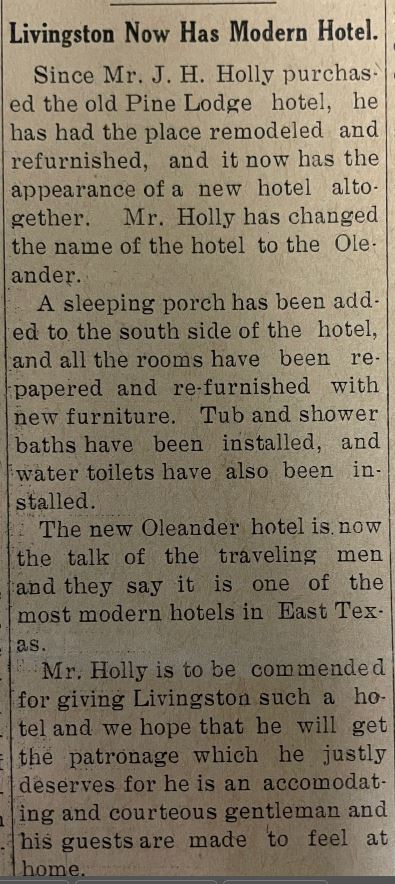
The article states that a sleeping porch was added to the south side of the hotel. The primary purpose of the “sleeping porch” was to provide a comfortable and cool place to sleep during warm weather, especially before the widespread availability of air conditioning. There was also a belief that fresh air and a connection to nature were beneficial for health and combating illnesses like tuberculosis or consumption. They were usually located on upper floors of hotels and houses, often at the back or side, to maximize airflow and privacy.
Speaking of which, it does not sound as if the sleeping porch provided a lot in terms of privacy. The article says that “The new Oleander hotel is now the talk of the traveling men…” Accompanied women were certainly welcome at hotels but women traveling alone could not find accommodations in any hotel unless she had an introduction or credentials and other evidence of her respectability. Women traveling alone in the 19th and early 20th centuries could expect to encounter both mistrust and skepticism at hotels. The hotels even had separate dining rooms or dining times for women.
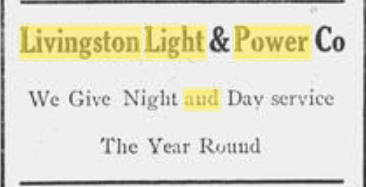
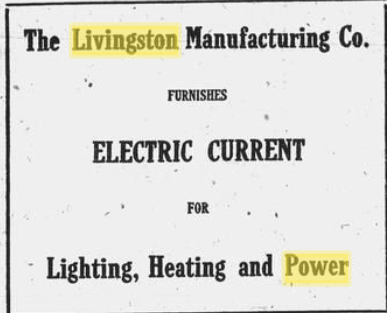
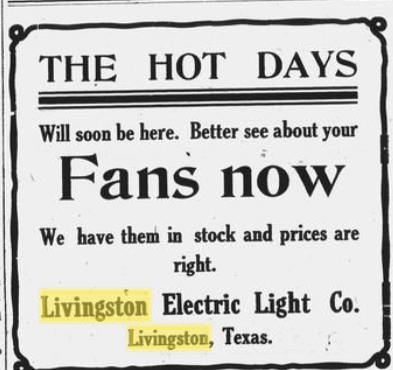
As I mentioned in an earlier segment, electricity wasn’t introduced in Livingston until 1905. Patrons had to rely on candles, oil lamps and the hearth for lighting. The Livingston Power Plant was established in 1905 using a small wood-fired steam engine. Fifteen homes were initially wired for electricity and the plant only provided service at night for approximately five years. In 1907, the plant was sold for $2,000.00 to a group of local businessmen. This group included A. J. Sloan, L. T. Sloan, L. F. Gerlach, and others. It is not known if T.F. Meece was a part of this group. By 1910 several business houses had installed electric fans, and more household appliances were available, so the output was increased to include daylight service. The newly built school was the initial beneficiary of this daylight service.
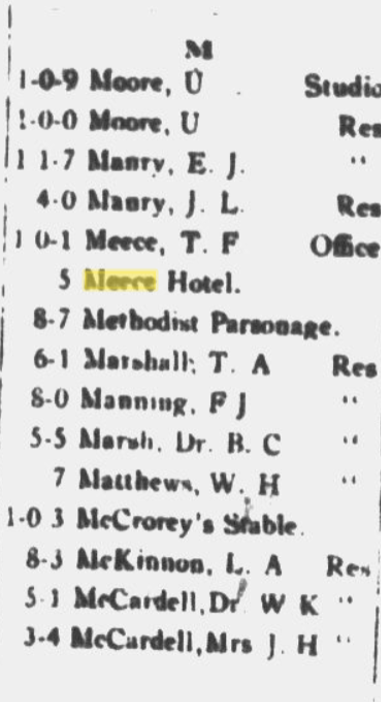
The Livingston Telephone Company, by the way, was Polk County’s first utility and it wasn’t organized until 1903. And, of course, T.F. Meece was one of the original stockholders. The initial capital stock was valued at $2,000.00 and 40 telephones, each having their own line, were installed. T.F. had a phone in his office at the Holshousen building (1-0-1) and he had a phone at the Meece Hotel (5).
Telephone calls were initiated by the caller lifting the receiver, then requesting an operator to connect them to the desired number. The operator would then manually plug in a cable to connect the caller’s phone to the recipient’s phone, as the phone systems of the time relied on manual switchboards. Many early telephone lines were party lines, meaning multiple households shared the same phone line. The local operator was one of the most important sources of information in town. This could be both a blessing and a curse. Clearly, she had to be discreet when it came to the townspeople’s personal affairs.
It is hard to imagine a hotel that did not have a tub or shower and toilets, but this was the case prior to 1916. Personal hygiene in the late nineteenth century and early twentieth century was quite different from our modern standards, heavily influenced by the prevailing beliefs about health and disease, as well as limited access to plumbing and readily available clean water. While the modern notion of daily bathing was uncommon, most people, especially the middle and upper classes, would wash daily through sponge baths or using a wash basin with a pitcher of water in their bedrooms.
Taking a full bath in a tub was a rare treat due to the effort involved in heating and hauling large quantities of water. People would wash their hands, face, neck, chest, armpits and private parts regularly using a washcloth, basin, and soap. When a full bath was taken, it might occur weekly or every few weeks. Water was often heated over a wood cookstove and poured into a metal basin for bathing. Clean water was a scarce and valuable resource, especially outside of urban areas. Soap was readily available and could be purchased or made at home from animal fat and lye. Hair washing was less frequent than body washing, occurring every few weeks or even once a month. People used soap or even ammonia to clean their hair. Daily brushing was crucial to remove dirt and distribute natural oils.
Many people believed that wearing clean linen undergarments, such as shifts or chemises, would absorb the body’s impurities and help to keep the skin clean. A “shift” and “chemise” are essentially the same garment. It was an undergarment worn next to the skin to absorb sweat and body oils. While the terms were used interchangeably, “shift” was the more common term before the Victorian era, with “chemise” becoming more prevalent later on. Both were typically made of linen (shifts) or cotton (chemises). These undergarments were changed and laundered frequently, often daily. Outer clothes, made of fabrics like cotton and linen, were also breathable and allowed for air circulation. As you can imagine, perfumes and lotions were popular and used to mask body odor or add a pleasant scent. You might say that the town of Livingston had a certain “air” about it.
While modern toothbrushes became available in the late 19th century, earlier teeth cleaning methods involved using salt on a finger or a small wooden piece to remove food debris. Tooth powder, the predecessor to toothpaste, was also used. Common ingredients included chalk, pulverized brick, salt, and charcoal.
Livingston, Texas, did not have a centralized sewage system. Human waste was typically managed through individual or household practices rather than municipal systems. Common methods for dealing with sewage in the 19th century included outhouses, cesspools and chamber pots. The chamber pots would be emptied by “night soil men,” who collected human waste to sell as fertilizer. The human waste would sometimes find its way into stormwater sewers or streets during heavy rains. These methods did not treat the wastewater. They polluted the soil and groundwater and posed significant health risks to the citizens.
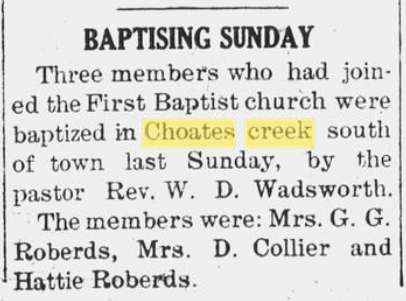
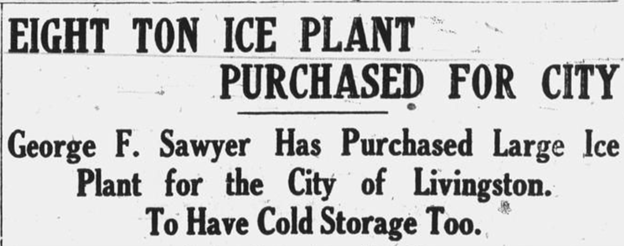
One of the great advantages that Livingston had was that it was situated on the north side of Choate’s creek. According to a weekly humor magazine, the Texas Siftings, Choate’s Creek was described as “a bold stream of living limpid water…” Limpid meaning clear, transparent, or pellucid, as water, crystal, or air. According to a Polk County Enterprise article, an eight-ton ice plant was built along the banks of Choate’s Creek, which also featured cold storage. According to the article, “…the ice made at his plant is always pure, and far surpasses the ice made at the city plants. One reason is that Choate’s creek water is the purest in the State.” The First Baptist Church actually baptized members of its congregation in Choate’s creek.
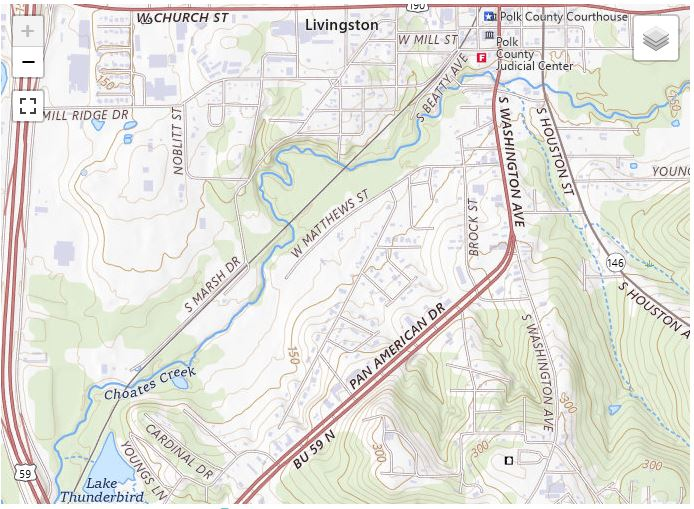
In addition to Choate’s creek the residents likely utilized other resources such as wells, springs and rainwater cisterns. With the advent of “germ theory”, following the Civil War, Typhoid fever, cholera, and dysentery were still prevalent and often spread through contaminated water supplies. The use of chlorine as a primary disinfectant for public drinking water supplies became conventional in the United States around 1908, significantly reducing waterborne disease outbreaks. Federal regulation of drinking water quality began in 1914. Obviously these changes affected the larger metropolitan areas before they reached small towns such as Livingston. I can only hope that the townspeople were boiling their consumable water. The primary source of drinking water for the City of Livingston, TX today comes from Lake Livingston, which was built in 1968.
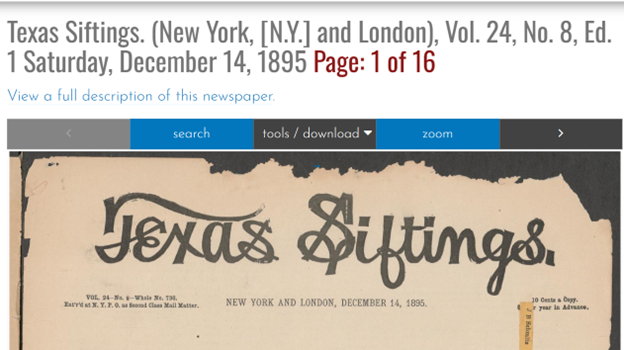
This article gives you a terrific snapshot of the town in December of 1895.
Livingston, the county seat of Polk county, is 71 miles N 21 degrees E. from Houston and 69 miles from Nacogdoches, being the most important railway station in the county.
It is situated on the north side of Choates creek, a bold stream of living limpid water, and a beautiful landscape with gradual elevation from the banks of said stream to its extreme northern limit.
The Court House, a handsome, commodious and comfortable structure, occupies the public square near the center of the town. The Jail, a modern structure, located on an adjacent block, furnishes a comfortable and secure home for violators of the law. These buildings are both constructed of brick with slate roofs, the former being stuccoed, giving it the appearance of a stately stone edifice.
The town is incorporated for school purposes; has a handsome and commodious school building situated near the center of its population, and levies a Special School Tax of 20 cents on the $100, for maintenance of the schools. It can boast of one of the best schools in East Texas, having an enrollment of 117 pupils with an average attendance of 90 per cent. There is also a good colored school of 117 pupils, with an average of 65 daily attendance.
There is an estimated population of 1,500 within the corporate limits and about 1,000 in the town.
Several fine residences have been erected recently, and neat, tasty home-like cottages are the rule.
Its citizens are noted for refinement, intelligence, morality and hospitality; are very public-spirited and enterprising as well as economical, and are very desirous of seeing their town improve, hence they offer every inducement and a cordial welcome, to capitalists, manufacturers, farmers and homeseekers.
A more law-abiding and orderly class of people could not be found.
There are six churches, three white and three colored, in the town, with large membership and good attendance at the regular services, Sunday schools and prayer meetings.
There is one architect, six mechanics, nine lawyers, three doctors, one real estate and insurance agency, nine general stores, three drug stores and two saloons, two wood shops, one blacksmith shop, one boot and shoe shop with tannery of limited capacity, and one shoe shop.
There is also a commodious two-story gin of 15 bales daily capacity, with grist mill attached, one cotton yard, one cotton seed house, two hotels, one restaurant, one barber shop and one printing office.
There is a Knights of Honor lodge here with a membership of 39. Also a Masonic lodge with a membership of 50. Up to date there has been 3.557 bales of cotton shipped from this place.
Water works commensurate to the growing demand of the town should, and probably will, be constructed in the early future. This can be done at comparatively small cost, Choates creek furnishing an ample supply of the very best water, running as it were, through the town.
A cannery of good capacity is much needed and would do a fine business, furnishing a market for nearly half the territory of the county.
A good sawmill with a hard wood manufactory connected can secure a good location here with almost an inexhaustible supply of the finest timber.
In fact any manufacturing plant can find a good and paying location on the banks of Choates creek, which furnishes an abundance of the finest freestone water, free from any of the alkalies or acids so often hurtful to steam boilers.
Livingston offers a fine field for investment and will extend a cordial welcome to those seeking such positions.
The following are some of the leading businessmen of Livingston:
C. J. Gerlach & Bro., general merchandise and cotton.
J. W. Cochran & Co., general merchandise.
T. F. Meece, real estate agent and Insurance.
Hin & Hill, attorneys at law.
Holshausen & Feagin, attorneys at law.
W. F. Gibson, M. D.
B. C. Marsh, M. D.
A. B. Green, Clerk County Court.
I’ve included an additional photograph of the Meece Hotel in order to provide greater clarity of the architectural detail.