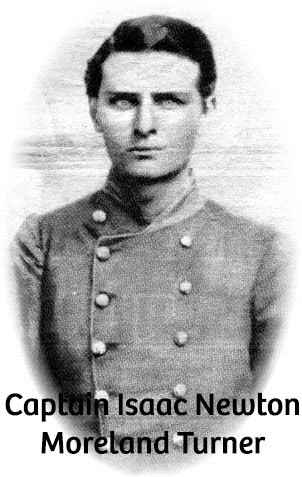
“I have always been proud of my service in the Confederate Army, believing that it was my duty, also a privilege to respond to the call to my country’s defense.”
T.F. Meece
Arter Berry (A.B.) Green was one of the co-founders of the Ike Turner Camp. A.B. would make the following entry in a diary detailing his travels home, following the end of the Civil War:
4th-Started at 8 A. M., crossed the Oconee at 10, had three mules shod. Went to the Hat Factory to get some hats–none there. Stayed all night with J. A. Turner [at Turnwold Plantation where their captain, Ike Turner, had been buried in 1863], 9 miles from Eatonton.
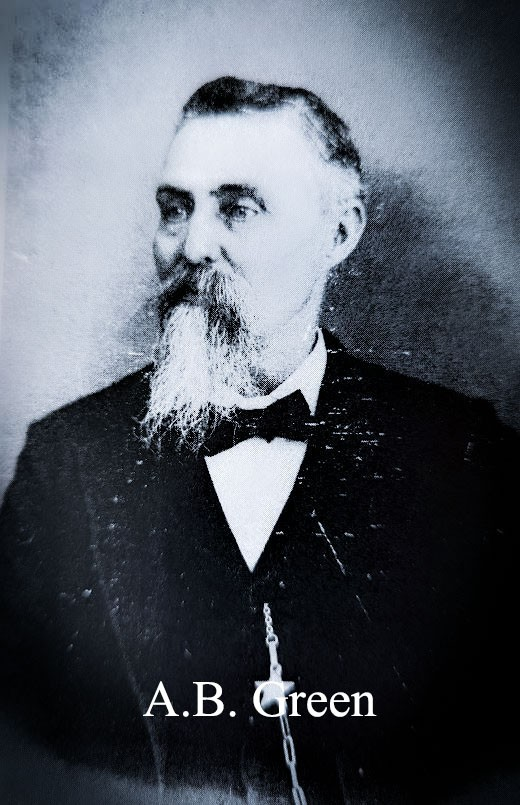
Remarkably, A.B. kept a diary of his travels which began on April 13th, 1865 in Appomattox Courthouse, VA and ended on July 11th, 1865 when he returned to Moscow, TX. Nearly (3) months! Evidently, they were in no hurry to return home.
Despite what had been written in the papers, in the following years, A.B., and therefore all of the members of the Ike Turner Confederate Veterans Camp No. 321, knew exactly where Isaac Newton Moreland Turner had been buried. A.B. met Joseph Addison Turner and he stayed at the Turnwold Plantation. Based on my research, there were no discussions or attempts to have Turner’s remains exhumed and moved to Livingston, TX.
The Ike Turner Confederate Veterans Camp No. 321 was founded in 1893. The first regular meeting was scheduled to be held at 2:30 PM on Friday, May 5th, 1893 when they voted to conduct quarterly meetings. Meetings were held in various towns such as Corrigan, Bold Springs, Livingston, Moscow and Providence. The East Texas Pinery, The Galveston News, Polk County Enterprise and the Houston Post were requested to publish the proceedings. It is my understanding that the Polk County Museum has retained the minutes of these meetings. They can also be found in the archives of the aforementioned newspapers.
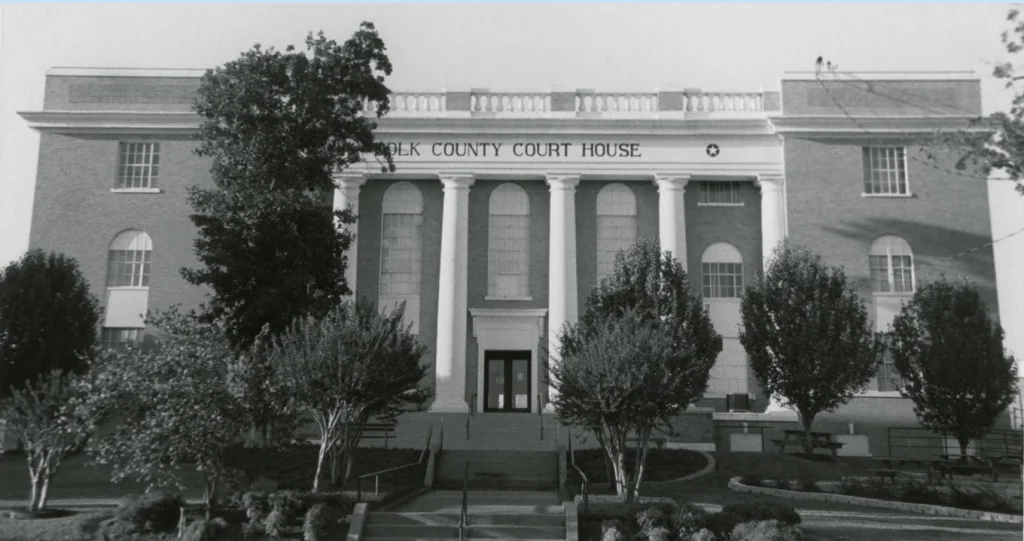
On December 12th, 1893 the Ike Turner Confederate Veterans Camp No. 321 meeting was held in Livingston. According to the Houston Post article, “Tables were prepared in the grove north of the schoolhouse and a bountiful repast spread (a meal that is large, plentiful, and rich in food), at which all were bountifully supplied with the delicacies for which our fair ladies are noted.” Following the dinner, the crowd moved to the Courthouse to listen to a speech by the Honorable Charles Stewart from Houston, TX. He “…treated the good people to one of his happiest strains of oratory, consuming probably an hour’s time. All were well pleased with the address and hope to be similarly entertained by Houston’s favorite son on other occasions.”
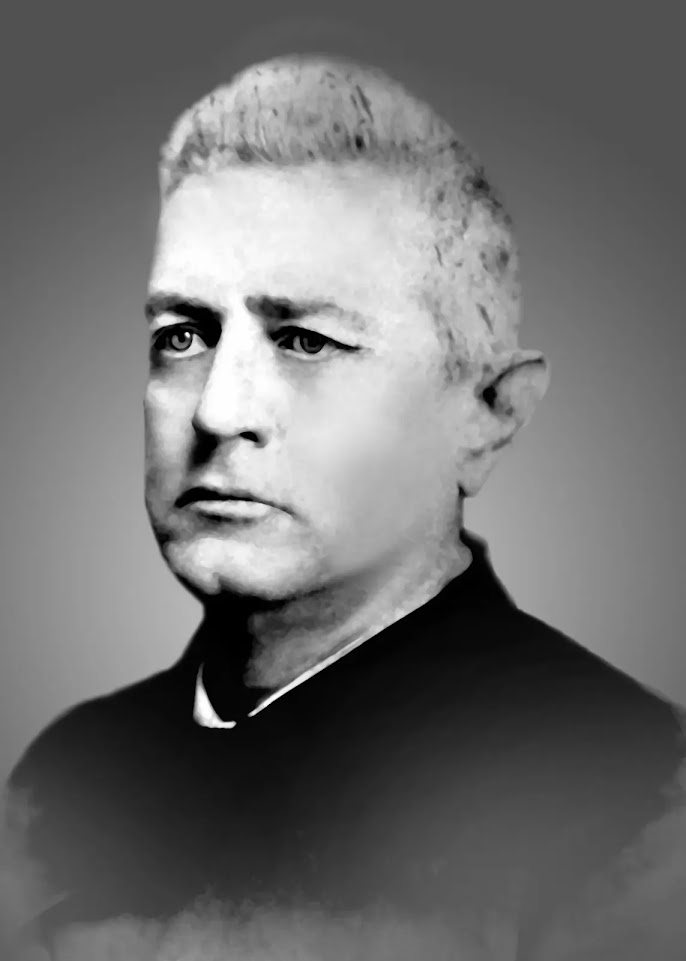
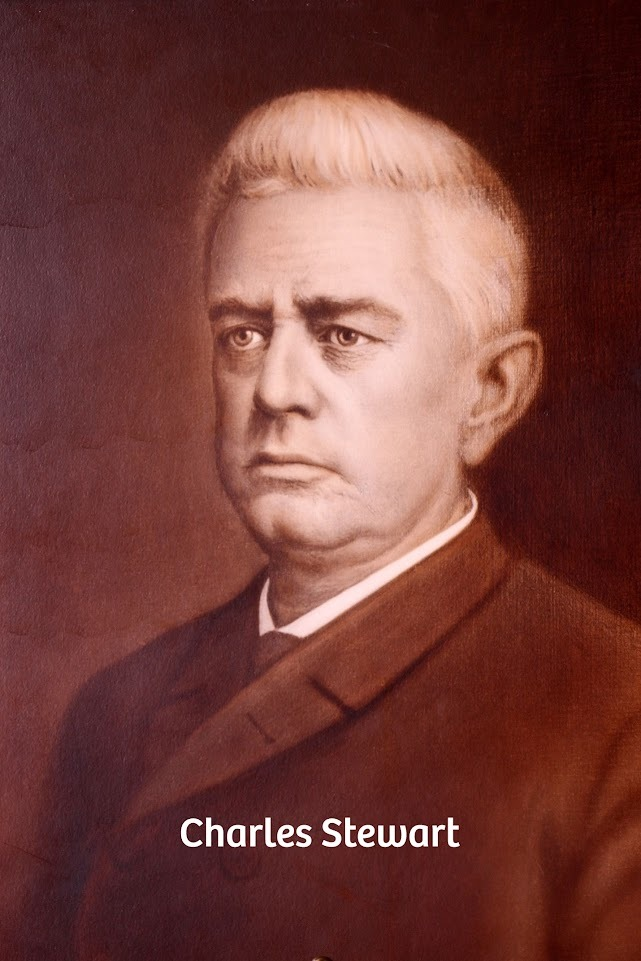
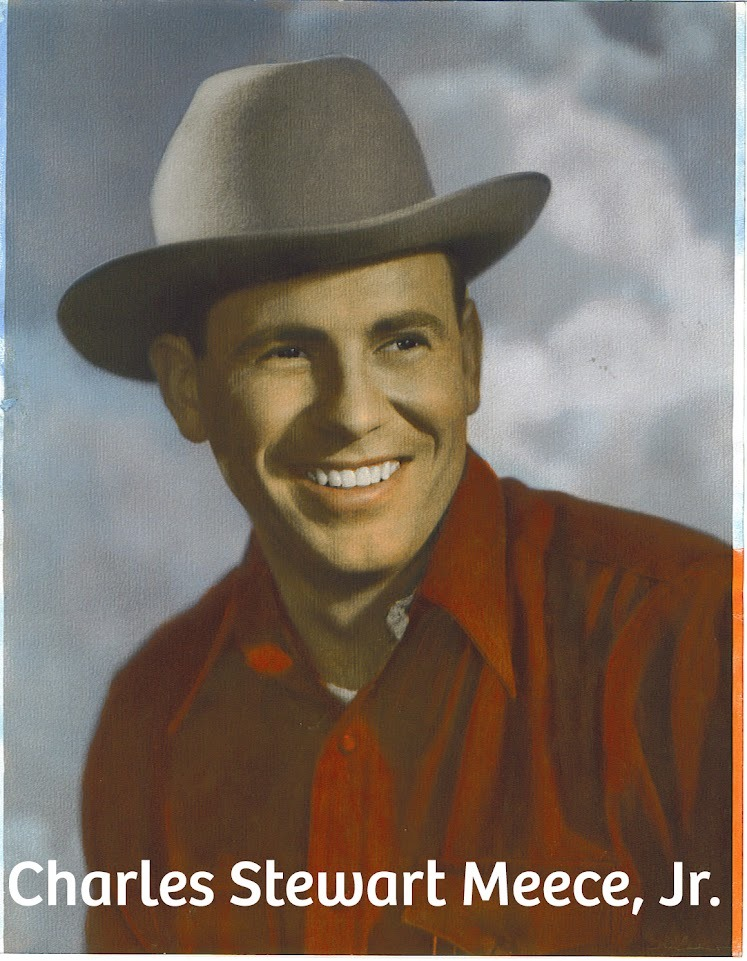
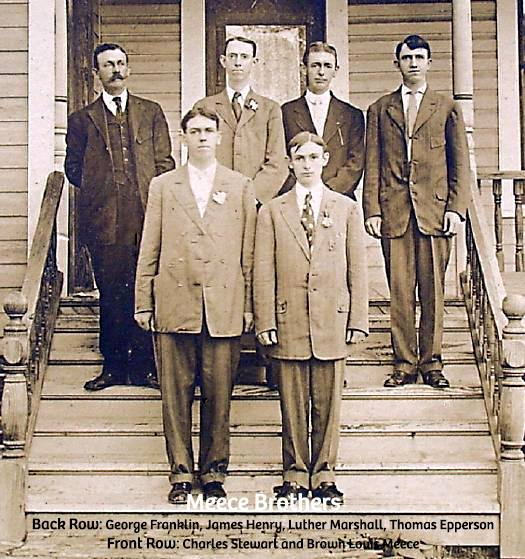
My great-grandfather clearly respected and admired Colonel Charles Stewart, so much so, that he named his son Charles Stewart Meece. He in turn named his son Charles Stewart Meece, Jr. Charles Stewart Meece Jr., would follow that up by naming his son Ken Stewart Meece. The epitaph on my great-grandfather’s headstone, “He was faithful to every duty” is identical to the one on Charles Stewart’s monument. Quite a tribute. In terms of our family tree, Charles Stewart Meece, Jr. was my 1st cousin 1x removed. Unfortunately, Charles Stewart Meece Sr. died on January 23rd, 1919 at the young age of 31. Apparently, he had suffered through a long illness. He was buried at Woodbine Cemetery in Artesia, New Mexico located in Eddy County. Tragically, Charles Stewart Meece Jr. died at the age of 38 in a plane crash on April 11th, 1952 in Casper, WY.
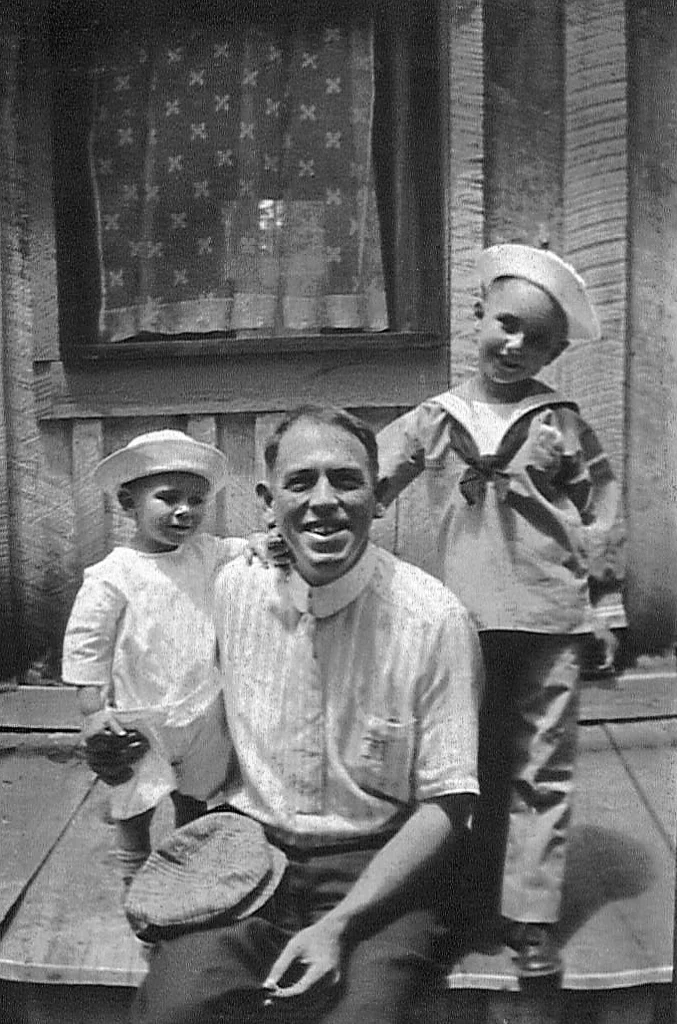
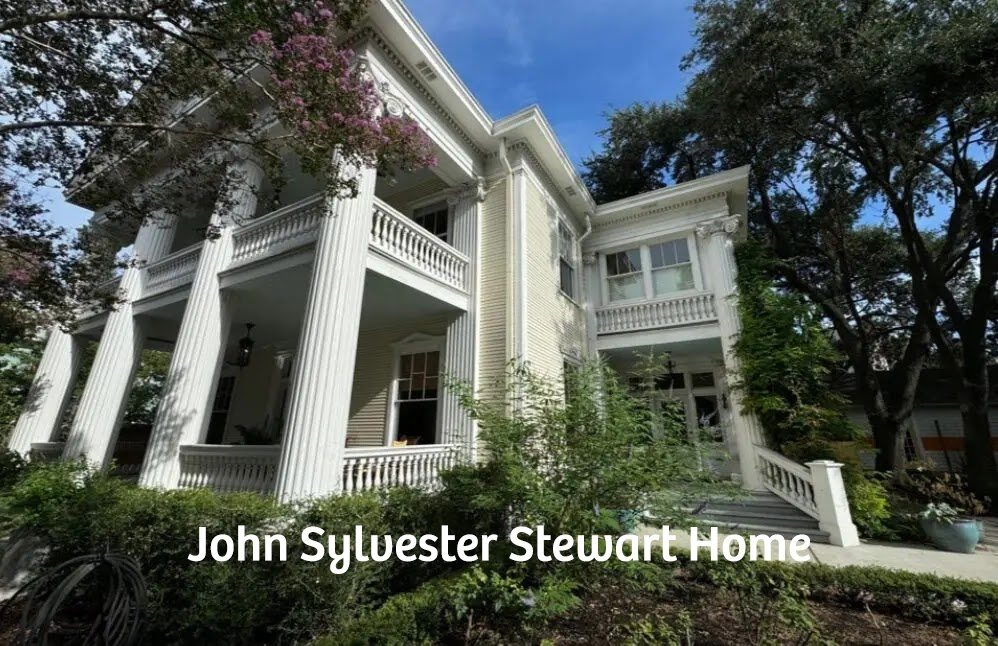
In a letter to his wife, Mary Louise McFarland Meece, in 1943 from Corpus Christi, TX, Charles Jr. wrote: “I will tell you just this one more thing and that is that I found out where my name came from originally. It would seem that there was a Col. Charles Stewart of the Confederate army that used to stay at T.F. Meece’s hotel in Livingston and that he and grandpop were very good friends. Well, my daddy was named after him and I was named after daddy. I saw the big colonial home in Houston that belonged to Col. Stewart and that his son lives in, but his son wasn’t home. I am going over and meet him when I get back if I have time. Interesting, isn’t it! I sure do get a kick out of it.”
Charles Stewart was born in Memphis, TN on May 30th, 1836, which is in Shelby County. Collierville, TN, where I currently live, is also in Shelby County and on the outskirts of Memphis. In 1845, he and his family moved to Galveston, TX where Stewart began his law studies in 1852. We lived in Galveston, TX for a short period of time. My brother Bryan Edward Meece was born there. I believe my father was working for the Texas Gas Transmission Corporation. Charles was admitted to the bar, before his eighteenth birthday, in 1854 and began to practice law in Marlin, TX, which is located in Falls County. He was elected prosecuting attorney for the Thirteenth Judicial District in 1856 and again in 1858. He married his wife Rachel Barry Stewart in 1860 and in that year, he reported owning (4) slaves. In 1861 Stewart was a delegate to the Secession Convention. He enlisted in the Confederate Army and served in the Tenth Regiment of Texas Infantry and later in Baylor’s Calvary.
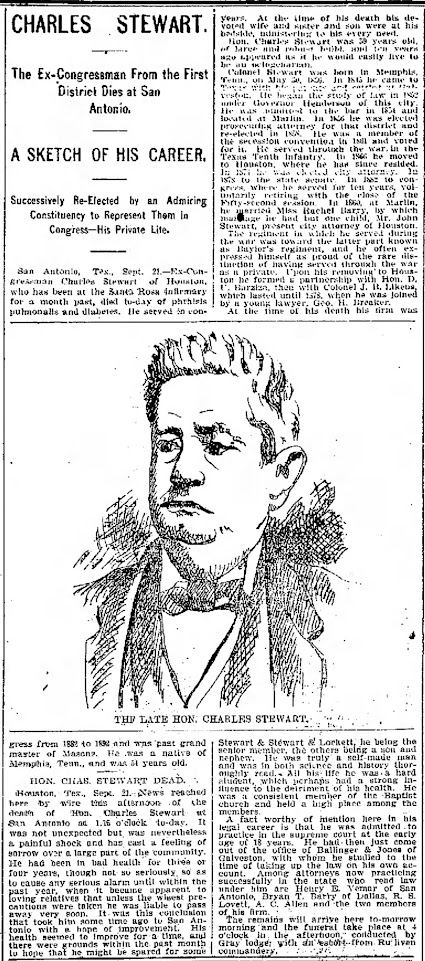
In 1866 Stewart moved to Houston where he practiced law. Stewart gained recognition as both a civil and a criminal attorney. He served as Houston city attorney from 1874 to 1876. In 1878 he was elected to the Texas Senate. After one term in the Senate (1879–72), Stewart was elected as a Democrat to the United States Congress, where he served five terms (1883–93). Stewart belonged to various Masonic bodies and in 1883 served as grand master of Masons in Texas. In 1892 he decided against running for office again. He returned to Houston, where he practiced law with his son, John S. Stewart. Following several years of failing health, Stewart died of phthisis (tuberculosis) and diabetes in San Antonio, TX on September 21, 1895. He was only 59 years old. He was laid to rest in Glenwood Cemetery, which is located in Houston, TX. Alas, Charles Stewart would not return for another meeting of the encampment.
The Standard History of Houston, Texas, described him as follows:
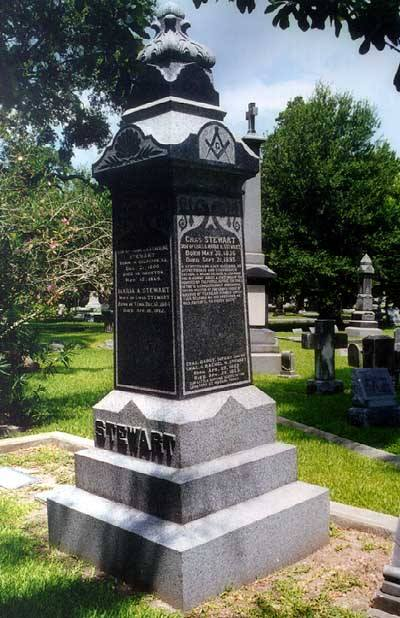
Another of the great criminal lawyers of Houston was the Hon. Charles Stewart. He was a man of unsullied character and too big in every way for little things. He was of splendid physique and personal appearance and is described [as] one of the most superb orators that ever faced a jury. He handled many of the most famous criminal cases tried in Harris County in the late seventies and eighties, one of the most famous being that of a young man named Crisom, who had killed a doctor for reproving him for swearing in the presence of ladies. The case was a desperate one, and at the first trial Crisom had been sentenced to death, but was granted a new trial because of irregularity on the part of the jury that condemned him. At the second trial the prosecution was powerful and it is said that but for the eloquence of Colonel Stewart, Crisom would have undoubtedly been hanged. As it was he escaped with a verdict of manslaughter and a short term in the penitentiary!
Another account refers to him as “…earnest, liberal, progressive, and charitable, a logical thinker, an eloquent speaker, ripe lawyer, able legislator, good citizen [and] kind.”
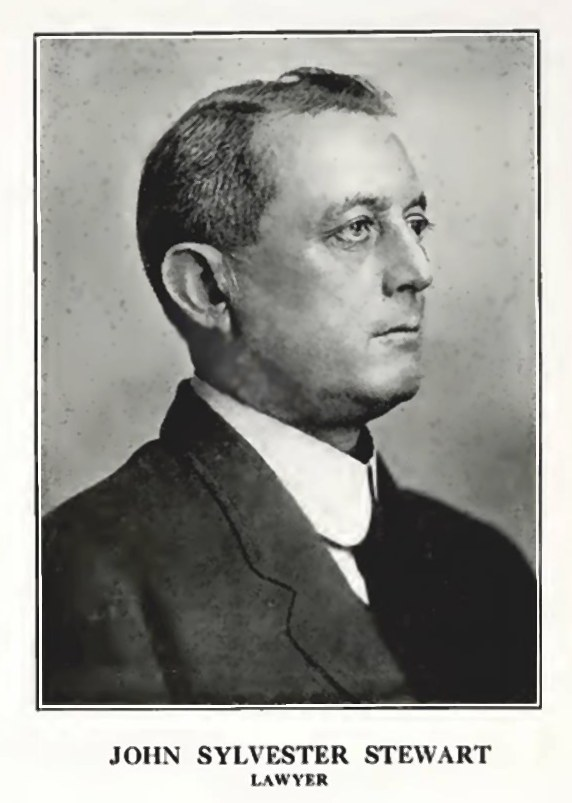
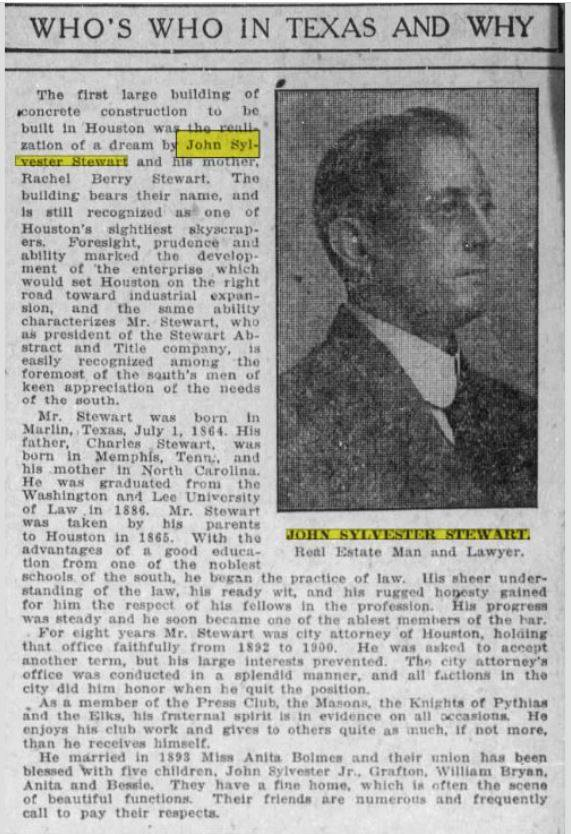
Charles Stewart’s son, John Sylvester Stewart, was highly successful in his own right. The Houston Press Club published “Men of Affairs of Houston and Environs” (“Men of Affairs of Houston and Environs” is the title of a book, specifically a newspaper reference work, that focuses on prominent individuals and institutions in Houston and its surrounding areas.)and wrote this about John:
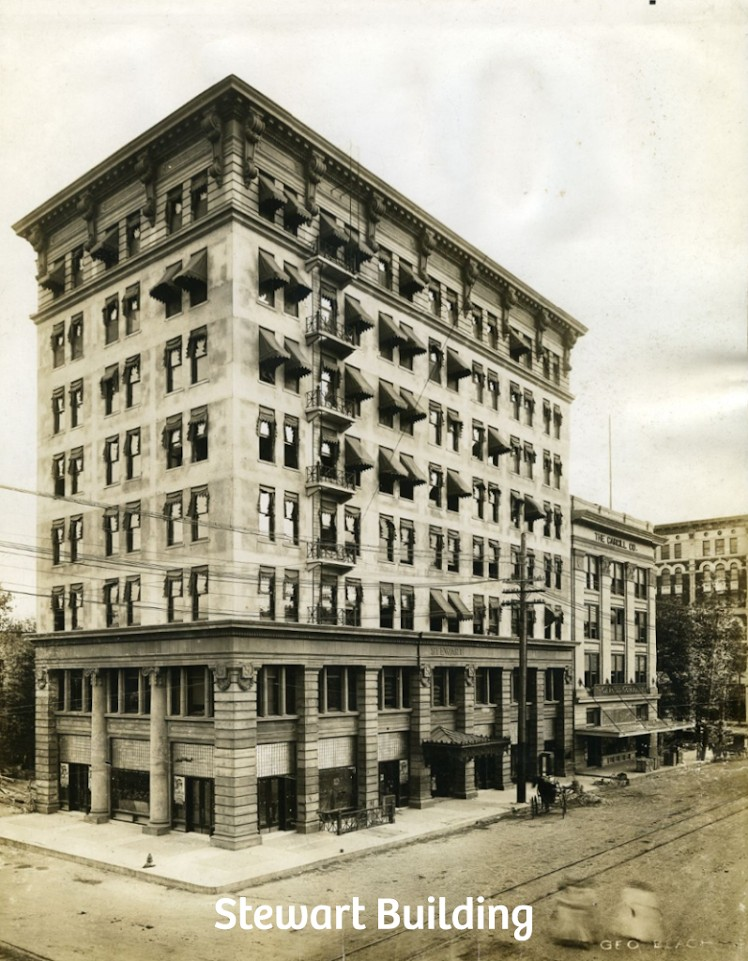
JOHN SYLVESTER STEWART, president of the Stewart Abstract and Title Company, and one of the owners of the Stewart Building, was born in Marlin, Texas, July 1, 1864. His father, Charles Stewart, was born in Memphis, Tennessee, his mother, Rachel Barry Stewart, in North Carolina. He graduated from the Washington-and-Lee University of Law in 1886 and has resided in Houston since 1865. He began practicing law in 1886, and made steady progress until he became recognized as one of the ablest members of the Texas bar. From 1892 to 1900 he was City Attorney of Houston. Some years ago, he and his mother erected the eight-story building that bears their name. It was the first large building of concrete construction to be built in Houston and is still recognized as one of the city’s sightliest sky-scrapers. Mr. Stewart is a member of the Press Club, Masons, Knights of Pythias, Red Men and the Elks, and his fraternal spirit is in evidence on all occasions. He was married in 1893 to Miss Anita Bolmes and has five children: John Sylvester Jr., Grafton, William Bryan, Anita, and Bessie.
The Stewart home, that Charles Stewart Meece Jr., wrote about, still exists and it received a “Protected Landmark Designation” from the City of Houston. Sadly, the eight story office building was razed in 1973 and turned into a parking lot. Thank God for politicians.